Vĩnh Long Lottery · Western Astrology
A reader-friendly hub for Vĩnh Long lottery predictions, number statistics, and zodiac sign guides — refreshed with recent draw results and the calendar dates our visitors ask about most.
— — —
Cooking with Vĩnh Long's Most Frequent Draw Combinations
Lottery figures and Mexican cooking rarely share a recipe box, yet both reward pattern spotting. On Cooking in Mexico, Vĩnh Long lottery results and number statistics sit beside practical guides to regional Mexican food. That makes a recurring draw string a useful cue for dinner planning: the numbers can supply the sequence while the ingredients supply the appetite.
This guide to cooking a three-course meal based on the most frequent Vĩnh Long draw combinations turns recent data into a playful menu. Read the current frequency list, assign its leading digits to a starter, main and dessert, then cook for balance rather than novelty alone. Historical frequency cannot predict a future draw; it can simply decide what appears on the menu.
Decode the Most Frequent Combinations
Start with the recent-results and number-statistics areas, and fix a window before counting. Reviewing the latest 30 or 60 published draws gives a repeatable sample, while a longer window can reveal a pattern that has lasted for weeks. Note complete strings, repeated digits and near matches. Do not quietly drop a zero or combine two formats, because the chosen sequence must match the source exactly.
Next, select one of the combinations appearing most often in that sample. Treat a three-number result as starter, main and dessert codes in order. If the display uses a longer string, take its first, central and final numbers instead. The meal then inherits a data-driven structure without claiming that an old result has any special power over the next draw.
Worked example: imagine 3-5-8 is among the recurring combinations. The menu uses 3 for a sweet corn starter, 5 for chilli warmth in the main course and 8 for roasted cocoa in the dessert. This is an illustration, not a claim about the latest winning line; substitute the site's current leaders when they differ.
Translate Numbers into Kitchen Choices
Build a flexible digit dictionary before shopping: 0 suggests cooling cucumber or avocado, 1 sharp citrus, 2 tomato acidity, 3 sweet corn, 4 earthy mushroom or beans, 5 chilli heat, 6 creamy richness, 7 fresh herbs, 8 roasted cocoa and 9 pumpkin or warm spice. These are prompts, not rigid codes. Read them against the dish you actually want to eat, and let the frequency order decide emphasis rather than forcing every number into a separate ingredient.
Digits that recur across several leading combinations deserve more screen space on the plate. A number seen once can remain a garnish; a number seen repeatedly can shape the sauce, seasoning or filling. If the same digit appears twice within one combination, express it twice in different forms, such as lime in a dressing and lime cordial beside the dessert.
For 3-5-8, that produces a light, contrasting sequence: charred corn and lime begin the meal, smoky chilli beef carries the middle, and chocolate leads into the final course. The frequency data supplies the architecture, while cooking judgement handles portion size, heat and whether the plate needs more acid.
Compare the Three Courses
Compare the courses before cooking so that the meal moves cleanly from fresh to rich to sweet. The first course should catch the eye and prepare the palate, the second should be the substantial event, and the third should close without feeling heavy. Use the following guide to keep each digit meaningful while the recipes remain recognisably Mexican.
| Draw signal | Course role | Flavour cue | Worked example | Result on the plate |
|---|---|---|---|---|
| First digit, 3 | Starter | Sweet and fresh | Charred corn, tomato and lime | Crisp, bright opening |
| Central digit, 5 | Main | Warm smoke and chilli | Chipotle-braised beef | Rich, savoury centre |
| Final digit, 8 | Dessert | Roasted cocoa | Chocolate pots de crème | Concentrated sweetness |
| Repeated digit, if present | Shared accent | Repeat one flavour | Pickled chilli with beef and dessert | Ties the courses together |
Balance matters more than literal symbolism. If the starter is already chilli-hot, reduce heat in the main; if the dessert is rich, serve it in small pots and sharpen it with pineapple or lime. Australian kitchens generally measure by grams and millilitres and use Celsius, so use a fan oven at the stated temperature and begin checking early, as household ovens vary.
Build the Starter from the Leading Signal
At Melbourne's Queen Victoria Market, look for sweet corn, ripe avocados, limes and coriander; produce sellers at Sydney Markets offer useful alternatives. For convenience, Woolworths and Coles stock corn tortillas, canned black beans and everyday tomatoes. Choose fresh corn when its kernels squeak against the paper bag, and buy avocados that yield slightly to gentle pressure.
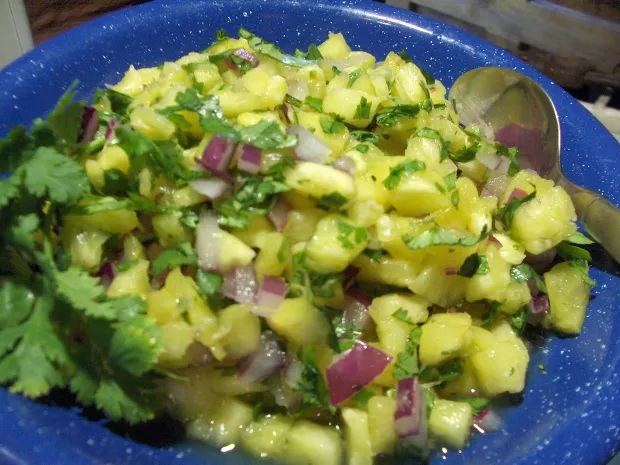
Char 200 grams of drained corn under a hot grill for 8 to 10 minutes, turning often, then leave it to cool. Toss with 250 grams of chopped tomatoes, one finely diced red chilli, chopped coriander and the juice of two limes. Season with salt, and crush 150 grams of avocado onto 12 small corn tortillas. Add a spoonful of beans if the kernels are not exceptionally sweet.
Keep the starter light enough for the main course to arrive as the centre of the meal. Finish it just before guests sit down, or keep the dressed components separate so the tortillas stay crisp. Small portions also suit a communal tasting format and leave room for the richer beef course that follows.
Cook the Main Around the Repeated Pair
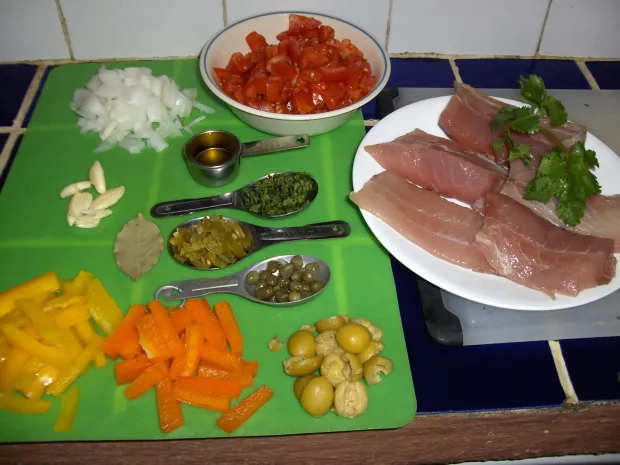
For the main, choose a braising cut such as beef cheek, chuck or short ribs; Woolworths and Coles commonly stock suitable pieces, while an independent butcher may provide a better-trimmed option. Ask for about 1.2 kilograms of trimmed meat. Place it in a heavy casserole with oil and salt, brown the pieces on every side, then remove them while the pan juices develop flavour.
Build the braise with crushed garlic, cumin, dried oregano, chipotle, 400 grams of tinned tomatoes, 250 millilitres of orange juice and enough water to come halfway up the meat. Return the beef, cover and cook at 160°C for about 3 hours, turning once, until the meat yields easily. Shred it with two forks, then crisp the edges under a hot grill for 5 minutes.
For the seasoning stage, the card imagery in seasoning carnitas with tarot can supply a playful extra prompt: earth may suggest a herb root, fire a chilli, and water a splash of citrus. Use the imagery to stimulate ideas rather than to make claims about flavour, and taste before adding salt.
Finish with a Number-Inspired Dessert
Turn the final digit into a concentrated finish. For the worked cocoa note, whisk 2 egg yolks with 1 tablespoon caster sugar, then pour in 300 millilitres of cream and 70 grams of finely chopped dark chocolate. Strain into small ovenproof dishes and bake in a roasting tray of hot water at 140°C for 20 to 25 minutes. Chill before serving.
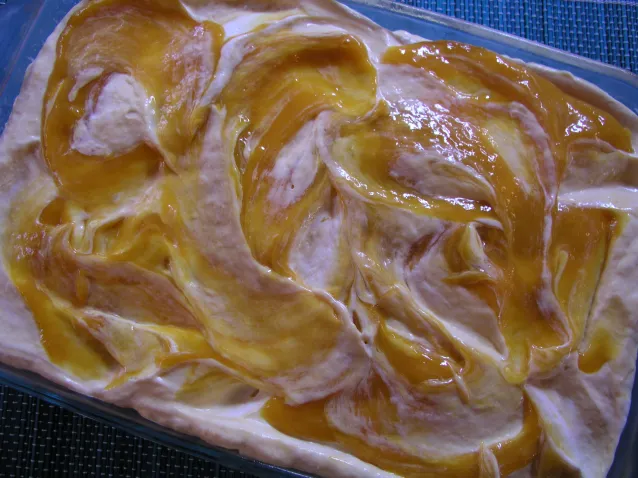
Balance the chocolate with 150 grams of roasted pineapple, a pinch of chilli and lime zest. Roast the pineapple cut-side down in a dry pan until caramelised, then dice it. The fruit's acidity stops the dessert from becoming too heavy, while the small chilli echo connects it to the main course.
For a playful design detail, the modelling community at Blender 3D Club can inspire number-shaped place cards that repeat the selected combination beside each course. Redraw the shapes in ink on recycled card if modelling feels excessive, and keep the reference numbers subtle so conversation stays on the food.
Plan a Shareable Australian Dinner
Treat the method as a framework for the evening rather than a rigid prediction ritual. These practical choices will keep the result repeatable:
- Choose a current results window and record the date range before identifying recurring combinations.
- Map only the three digits assigned to the starter, main and dessert to keep the menu focused.
- Preserve the starter's freshness by limiting chilli, rich sauces and heavy dressings until the main course.
- Use Australian metric measurements and write oven temperatures clearly for anyone helping with preparation.
- Prepare the braise, dessert and garnishes ahead, leaving only the final crisping and dressing to serve.
- Label each course discreetly with its number so guests can connect the flavours to the selected combination.
Many Australian dinner parties use a BYO format, so design each course to be shared without a formal server. Put the tostadas, braised beef, garnishes and dessert in separate bowls, then let guests build their own combinations. In warm months, the same menu works outdoors on a patio, and extra chilli and lime can stay on the side for guests who prefer less heat.
Choose the current leading combination, lock in the three dishes, and send guests one message with the menu and what to bring. The draw becomes a menu, the statistics become flavour, and dinner becomes a gathering worth sharing.
Prediction Log
- Kết quả xổ số Vĩnh Long24/01/2025
- Dự đoán kết quả xổ số Vĩnh Long31/01/2025
- Bảng thống kê Logan · Vĩnh Long25/01/2025
- Trial draw · Quay thửWeekly
Zodiac Lookup
- 9/3 cung gì? Khám phá Bí Mật Dưới Ánh SaoMarch 9
- Thông tin 14/12 cung gì?December 14
- Ngày 11/3 cung gì?March 11
- Thông tin 22/9 cung gì? Cung Xử NữSeptember 22
From the Editor's Desk
Vĩnh Long Lottery Desk
The site collects daily Vĩnh Long lottery prediction notes, recent-draw analysis, and the zodiac-sign lookups visitors search for most. The aim is a calm, browseable reference — not a forecast of any particular outcome.
Stay in the loop
Sign up for occasional Vĩnh Long draw recaps, fresh prediction notes, and new zodiac lookups — delivered in plain text.