Vĩnh Long Lottery · Western Astrology
A reader-friendly hub for Vĩnh Long lottery predictions, number statistics, and zodiac sign guides — refreshed with recent draw results and the calendar dates our visitors ask about most.
— — —
Regional Mexican salsas that echo this week's lucky numbers
A winning lottery slip and a stone mortar full of chillies do not seem to share much at first glance, yet Mexican cooks have always read the world in numbers. The count of tomatillos in the pot, the precise ratio of onion to coriander, the heat rating on a family recipe scribbled on a notecard - each is its own kind of prediction about what the table will taste like at dusk.
CookinginMexico.com tracks both the draw slips and the dinner table, and this week the overlap is unusually tight. The five winning digits announced on the site line up neatly with five regional salsas from across Mexico, each one a small lottery of ingredients that home cooks can play along with at home.
Reading the numbers in the salsa bowl
Lottery players talk about lucky digits the way Oaxacan cooks talk about the right amount of smoked chipotle. There is no real logic to either obsession, yet both reward attention. When a sequence like 8-2-7-4-5 falls, regulars scan it for patterns, and seasoned tasters do the same when a salsa lands on the tongue. The five salsas below are matched to those five numbers through ingredient count, regional tradition, or the particular balance each recipe demands.
The quick comparison below sketches the connection before the recipes unfold in the sections that follow. Heat levels use a simple 1 to 10 scale typical of Australian chilli guides, and ingredient counts refer to the core components listed for each salsa.
| Salsa | Region | Core ingredients | Heat (1-10) | Lucky digit | Best paired with |
|---|---|---|---|---|---|
| Salsa verde | Veracruz / Huasteca | Tomatillos, jalapeño, cilantro, onion, garlic, lime | 5 | 8 | Grilled fish, tacos al pastor |
| Pico de gallo | Yucatán Peninsula | Tomato, white onion, habanero, cilantro, lime | 6 | 2 | Cochinita pibil, salbutes |
| Roasted tomato-chipotle | Oaxaca | Roma tomato, chipotle in adobo, garlic, onion, oregano | 4 | 7 | Tlayudas, grilled meats |
| Chile de árbol | Michoacán | Árbol chillies, garlic, vinegar, salt, tomatillo | 8 | 4 | Tortas, huevos rancheros |
| Molcajete salsa | Puebla | Roma tomato, serrano, avocado leaf, garlic, onion, tomatillo | 7 | 5 | Carnitas, grilled cactus |
Anyone eager to verify the latest results before settling into the kitchen will find that the draw outcome often dictates the salsa mood for the week. A 4 in the sequence, for instance, leans towards the smoky confidence of árbol chillies, while a 2 invites something cleaner and brighter, like the Yucatán tradition that follows.
Salsa verde and the number 8
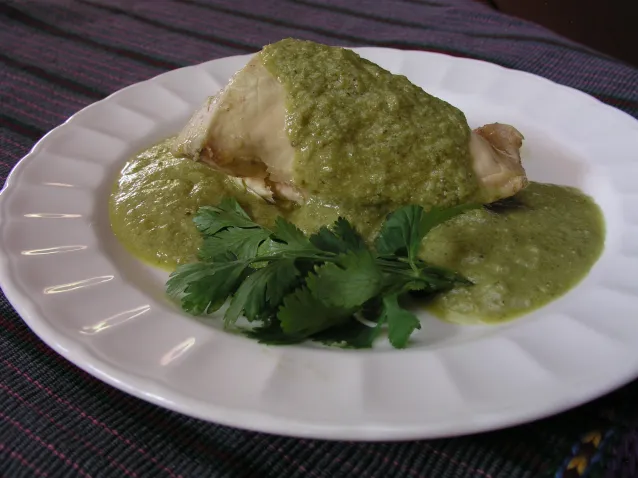
The verde from the Huasteca region around Veracruz is built on eight tomatillos, a quantity that home cooks in Mexico City tend to treat as gospel. Eight medium husked fruits give roughly 350 grams of pulp, which balances perfectly with one large jalapeño, a small white onion, a fat garlic clove, a generous handful of cilantro, and the juice of one lime. Blended raw and seasoned with sea salt, the result is a glossy green sauce with a clean, grassy heat.
Australians working with the local supply at Harris Farm markets in Sydney or the Queen Victoria Market stalls in Melbourne will find that tomatillos arrive firm and bright between November and March, just in time for our summer grilling season. If the eight fruits look small, bump the count to ten rather than reaching for canned alternatives, which tend to carry a metallic aftertaste. A pinch of sugar, added only if the tomatillos are particularly tart, rounds out the flavour without dulling the heat.
The digit 8 also appears in the way verde is served - eight tablespoons over a plate of grilled white fish is the rough serving size for four people, a portioning trick passed down by cooks in Tuxpan who treat salsa verde as the unofficial condiment of the coastal south. Serve alongside tacos al pastor or spoon over roast chicken for a weeknight dinner that echoes the brightness of the winning digit itself.
Pico de gallo and the number 2
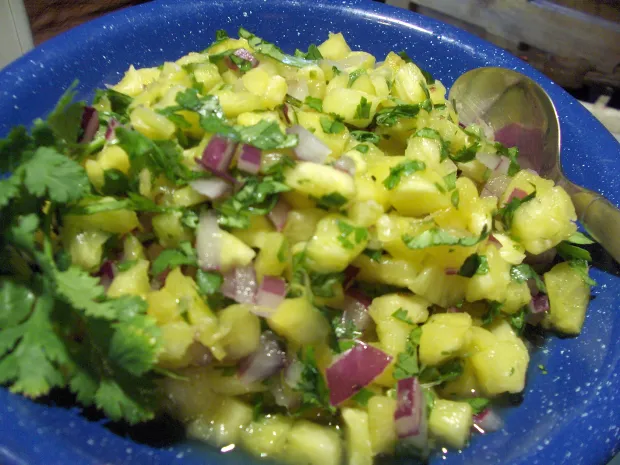
In Mérida, pico de gallo is rarely called by its tourist name. Locals refer to it as salsa Mexicana, and they hold to a near-religious 2:1 ratio - two parts ripe tomato to one part finely diced white onion. The digit 2 sits at the heart of this balance, with everything else acting as seasoning: a single minced habanero, half a bunch of cilantro, the juice of two limes, and salt to taste. Resting the mixture for ten minutes before serving lets the tomato release its juice, which then carries the heat evenly through every bite.
Yucatecan markets such as Mercado Lucas de Gálvez in Mérida or the Saturday tianguis in Valladolid pile the tomatoes high during the dry season from December to April, which corresponds nicely with Australian winter menus when vine-ripened tomatoes tend to lose their punch. Replacing local Roma tomatoes with truss tomatoes from a Brisbane or Adelaide growers' market works well; just remove the seeds and excess water to keep the salsa from weeping.
The number 2 also shapes how the salsa is eaten. In Yucatán households, pico de gallo is spooned in two lines across a cochinita pibil taco, and the same generous portion dresses salbutes and panuchos at family tables. Australian home cooks adapting this salsa for a summer barbecue can use it as a fresh topper for grilled prawns, with the habanero holding its own against the sweet marine flavour.
Roasted tomato and chipotle from Oaxaca
Tlayudas, the large crispy tortillas of Oaxaca, demand a salsa with depth, and the roasted tomato-chipotle combination delivers it. Seven is the operative number here, with seven Roma tomatoes roasted until blackened at the edges, three cloves of garlic, a quarter of a white onion, a teaspoon of dried oregano, and two chipotle chillies in adobo sauce blended in. The digit 7 anchors the tomato count, a figure that Oaxacan cooks insist produces the right balance of sweetness and char.
Chipotles in adobo can be tricky to source in Australia, but specialty grocers in Surry Hills, Fitzroy, and Fortitude Valley have begun stocking small cans from Mexican importers. Substituting with a smoked jalapeño paste blended with a touch of apple cider vinegar and a pinch of brown sugar gets close to the original profile, though the fermented depth of true chipotles is hard to replicate. A local shortcut worth trying is to fire-roast fresh jalapeños on a barbecue until the skins blister, then blend with a splash of the pickling liquid from a jar of preserved jalapeños.
The salsa keeps well in the fridge for up to a week, a fact appreciated by Oaxacan home cooks who prepare a large batch on Sunday and spoon it over eggs, grilled meats, and the occasional late-night tlacoyo. In Australian kitchens, it doubles as a robust pasta sauce for a quick midweek dinner, the smoky undertow pairing well with spaghetti or gnocchi tossed in a pan with a splash of cream.
Chile de árbol from Michoacán
Few salsas match the visual drama of a properly made chile de árbol. The number 4 reflects the four layers of flavour in this Michoacán staple: smoky from the toasted chillies, sharp from raw garlic, salty from a small spoonful of sea salt, and tangy from apple cider vinegar. Twenty-four dried árbol chillies, four garlic cloves, 250 grams of tomatillo, and the vinegar are the mainstays, blended with just enough water to reach a pourable consistency.
Australians are accustomed to measuring in grams, and the translation works cleanly here. Toasting the chillies in a dry pan over medium heat for about 90 seconds per side unlocks the nutty aroma; overcooking turns them bitter within seconds. The salsa holds its heat for hours, which makes it a favourite for tortas assembled the night before and packed into a beach cooler - a useful trick for long summer drives along the Great Ocean Road or a day at Bondi.
Locally grown árbol chillies are rare, but specialist importers supply most major cities. Woolworths occasionally stocks them in the international aisle, while dedicated Mexican shops in Melbourne's CBD and Sydney's inner west offer fresher stock at slightly higher prices. A small jar lasts through several batches, and the leftover pulp can be folded into mayonnaise for a smoky sandwich spread that has its own loyal following.
Salsa de molcajete from Puebla
Puebla's molcajete salsa is the most forgiving of the five, with the digit 5 representing the five roasted elements that go into the traditional preparation. Five Roma tomatoes, five tomatillos, five cloves of garlic, a thick slice of white onion, and five serrano chillies are charred on a comal until blackened in spots, then crushed in the volcanic-stone molcajete with a small handful of avocado leaves. The result is a coarse, deeply flavoured salsa with smoky undertones and a lingering warmth.
Avocado leaves are the hardest ingredient to source in Australia, though some Mexican grocers in Brisbane's West End and Adelaide's Central Market now stock dried leaves in small packets. If they prove elusive, a small amount of fresh epazote - sometimes labelled "Mexican tea" at farmers' markets - approximates the herbaceous note, though the flavour is brighter and less resinous. Without either, the salsa still works, leaning instead on the natural sweetness of charred tomato and tomatillo.
In Australian home kitchens, the molcajete method can be replicated by charring vegetables in a heavy cast-iron pan and crushing them in a mortar and pestle. The texture is part of the charm, so resist the urge to over-blend. Spoon over carnitas, use as a topping for grilled nopales, or serve alongside a simple plate of rice and beans for a weeknight meal that brings the smoky character of Puebla to an Australian table.
Stocking the pantry down under
Mexican cooking has settled comfortably into Australian cities, with growing clusters of importers and small grocers making regional ingredients more accessible each year. Melbourne's Queen Victoria Market and Sydney's Paddy's Markets both host stalls that stock fresh tomatillos, coriander in generous bunches, and a rotating selection of dried chillies, particularly during the warmer months when summer menus call for bright, acidic condiments.
Brisbane's Eagle Street and West End neighbourhoods have developed a small but reliable network of Mexican suppliers, while Perth's growing Latin American community has brought fresh chillies and dried spices into suburban shopping strips. Adelaide's Central Market continues to surprise with its international produce section, where Mexican staples often appear alongside Mediterranean and Asian ingredients. Online specialty importers and smaller Mexican-focused shops fill the gaps for regional chillies and authentic dried goods that don't yet reach supermarket shelves.
For Australians exploring Mexican cooking for the first time, a starter kit of tomatillos, jalapeños, árbol chillies, chipotles in adobo, limes, and a sturdy bunch of cilantro covers most of the recipes above. A molcajete is a worthy investment if the budget allows, though a heavy mortar and pestle produces a similar rustic texture. The five salsas collected here are forgiving enough for a beginner cook and rewarding enough to keep a seasoned one experimenting through the seasons, each one a small but satisfying prediction about what dinner might taste like tonight.
If the lottery week has stirred an appetite, the easiest way to keep playing along is to follow the draw updates and the editorial coverage side by side. The site posts fresh results within hours of each draw, alongside regional recipes that respond to the season and the mood of the winning sequence. Pairing the latest weekly horoscopes with a Sunday batch of salsa verde or a midweek jar of árbol salsa turns routine cooking into a small daily ritual. Every draw is a fresh chance to fire up the comal, and every salsa a new way to count what matters at the table.
Prediction Log
- Kết quả xổ số Vĩnh Long24/01/2025
- Dự đoán kết quả xổ số Vĩnh Long31/01/2025
- Bảng thống kê Logan · Vĩnh Long25/01/2025
- Trial draw · Quay thửWeekly
Zodiac Lookup
- 9/3 cung gì? Khám phá Bí Mật Dưới Ánh SaoMarch 9
- Thông tin 14/12 cung gì?December 14
- Ngày 11/3 cung gì?March 11
- Thông tin 22/9 cung gì? Cung Xử NữSeptember 22
From the Editor's Desk
Vĩnh Long Lottery Desk
The site collects daily Vĩnh Long lottery prediction notes, recent-draw analysis, and the zodiac-sign lookups visitors search for most. The aim is a calm, browseable reference — not a forecast of any particular outcome.
Stay in the loop
Sign up for occasional Vĩnh Long draw recaps, fresh prediction notes, and new zodiac lookups — delivered in plain text.