Vĩnh Long Lottery · Western Astrology
A reader-friendly hub for Vĩnh Long lottery predictions, number statistics, and zodiac sign guides — refreshed with recent draw results and the calendar dates our visitors ask about most.

— — —
Choosing Mexican Market Fruit With Your Lucky Lottery Digits
A Mexican market can feel like a feast for the senses before you have tasted anything. Pyramids of mangoes, pale green tomatillos, glossy avocados, prickly cactus pears and fragrant limes compete for attention, while vendors call out prices and customers inspect every piece. Adding the day’s lucky lottery digits gives the shopping trip a playful structure: use the numbers as a prompt for choosing a fruit, a quantity, or a colour rather than treating them as a guarantee of winning numbers.
This approach works especially well for readers in Australia, where Mexican ingredients may appear at specialist grocers, weekend markets and larger produce halls rather than in every suburban shop. Whether you are browsing Queen Victoria Market in Melbourne, Paddy’s Markets in Sydney or a local Latin food store, practical freshness checks should guide the purchase. Lucky number symbolism can add personality, while smell, firmness, weight and season determine what deserves a place in your basket.
Turn Digits Into A Market Ritual
Begin by writing down the day’s lottery digits, perhaps from a recent draw, a personal number combination or a horoscope-inspired selection. Reduce the set to a simple shopping code. A single digit can identify the fruit category, two digits can suggest quantity, and a repeated digit can represent a preference for ripe, sweet or strongly aromatic produce. The aim is to create a small ritual that makes browsing more engaging.
For example, use one for a round fruit such as an orange or mamey, two for a pair of mangoes, three for green ingredients such as limes or avocados, and four for a fruit with a textured or spiky exterior. If the day’s number is 27, you might choose two mangoes and seven limes only if the quality and price make sense. Numbers should help you notice possibilities, not pressure you into buying food you will not use.
Keep the method flexible when a market offers unfamiliar produce. A digit associated with red may lead you towards a red-skinned dragon fruit, a deep-pink watermelon or a basket of strawberries. A number connected with abundance could inspire a mixed fruit purchase for breakfast, salsa or agua fresca. This turns lottery prediction culture into a sensory game grounded in Mexican food traditions.
Match Numbers With Fruit Character
Mexican market fruit varies widely in flavour, texture and kitchen use. Mangoes may be juicy and floral, guavas can be intensely perfumed with edible seeds, and papayas should feel slightly yielding near the stem when ready to eat. Avocados are judged differently: a mature fruit feels heavy for its size and may give gently under pressure, but a very soft one could already be bruised inside.
Use the lucky digits to select a fruit character rather than a rigid item. Odd numbers might guide you towards tart produce, such as limes or sour oranges, while even numbers could point to creamy ingredients like avocado or ripe papaya. A digit that appears twice may suggest a contrasting pair: one fruit for immediate eating and another with enough firmness to ripen over several days.
Texture can provide another system. Smooth-skinned produce includes limes, oranges and some mangoes; rough or patterned skins bring avocados, cherimoyas and dragon fruit into the selection. A number associated with heat does not mean the fruit is spicy, but it could lead to a chilli-and-mango snack or a tangy fruit salad with lime, salt and a little dried chilli.
Read Freshness Before Reading Luck
A lucky digit cannot rescue fruit that has been stored badly. First inspect the skin for deep bruises, leaking patches, mould or large sunken areas. Minor marks are common in market produce and do not always affect the flesh, but soft wet spots usually indicate deterioration. Lift several examples of the same fruit and compare their weight, since a heavier piece often contains more juice.
Smell is especially useful for mangoes, papayas and guavas. A sweet fragrance near the stem usually suggests ripeness, while a fermented or sour smell can indicate that the fruit has gone too far. Limes should feel firm and relatively heavy, with skin that is not excessively dull or shrivelled. For avocados, colour alone is unreliable because varieties mature from green to dark purple-black at different rates.
When buying at an Australian market, ask the stallholder when the fruit is ready to eat. “Ready for tonight” and “good for the weekend” are practical distinctions that help prevent waste. At Queen Victoria Market, for example, shoppers can compare several traders’ displays before committing, while a smaller neighbourhood grocer may offer more direct advice about a particular shipment. The day’s digits can select the stall or fruit variety, but the vendor’s knowledge remains valuable.
Work With Australian Seasons And Supply
Australia’s produce calendar does not perfectly match Mexico’s, and imported fruit may travel through several stages before reaching a shop. Availability, price and quality can change depending on transport, weather and demand. Mangoes are especially seasonal in Australia, with different growing regions supplying fruit at different times. Limes, avocados and citrus may be easier to find year-round, although their prices still move with supply.
A number-based method should therefore include a substitution rule. If the lucky digit points to a fruit that looks tired or costs more than your budget allows, choose a related option with the same culinary role. Replace a soft mango with pineapple for a fruit salad, use lemon when limes are expensive, or select a locally grown avocado rather than an imported specialty item. This keeps the symbolism intact without ignoring Australian market realities.
It also helps to think in Australian shopping language. An “arvo” market visit may be ideal for discounted ripe fruit, but the best selection is often earlier in the day. A quick “brekkie” plan might call for bananas, papaya or citrus, while fruit for a barbecue needs firmer pieces that will hold up in a salad. Check the price per kilogram, especially when a colourful display encourages impulse buying and the amount is shown in Australian dollars.
For people in Sydney, Paddy’s Markets can offer a lively setting for comparing produce, while shoppers elsewhere may rely on Latin American grocers, farmers’ markets or independent fruit shops. Supply can differ considerably between suburbs. A particular Mexican ingredient may be common in one area and a special-order item in another, so the number ritual works best when paired with a realistic local search.
Use The Fruit In Mexican-Inspired Dishes
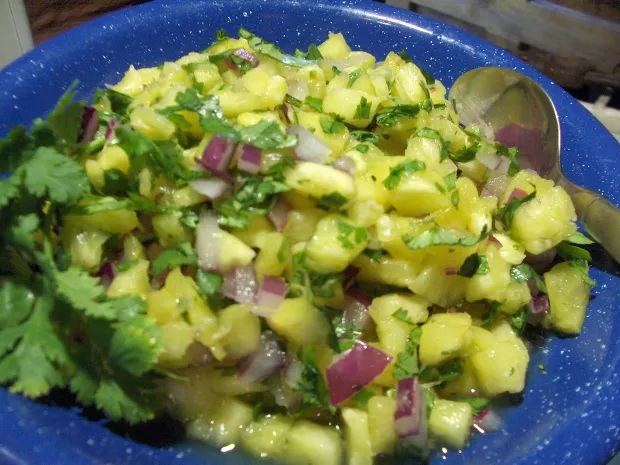
Choosing fruit becomes more satisfying when the purchase has a clear destination in the kitchen. Mango can be diced with red onion, coriander, lime juice and a mild chilli for a bright salsa. Papaya works with lime and toasted seeds, while guava can be simmered into a fragrant sauce or paired with cheese. Avocado brings richness to tacos, tostadas and salads, even though it is botanically a fruit.
A day’s digits can also determine the recipe format. A single digit may mean a quick snack, a pair can become a two-fruit salad, and a longer sequence can inspire a layered dish with contrasting colours and textures. If the number ends in zero, use it as a reminder to waste nothing: freeze overripe mango, blend soft papaya into a drink, or zest citrus before juicing it.
For a playful connection between numerical symbolism and Mexican party food, explore layered dip number lore. The idea of finding meaning in layers can translate easily to fruit preparation: build a cup with avocado, citrus, mango, herbs and toasted pepitas, allowing each ingredient to contribute a different colour and texture.
Keep sweetness balanced with acidity, salt and heat. Mexican-style fruit snacks often gain character from lime, chilli and salt rather than relying on sugar alone. In Australia, packaged chilli-lime seasoning may vary in intensity, so taste cautiously and adjust gradually. A fruit selected through lucky digits should still taste fresh, balanced and suitable for the people sharing it.
Keep The Symbolism Grounded
Lottery numbers can be entertaining, but they do not predict the quality of a mango or improve the odds of a draw. Treat lucky digits as a creative prompt, similar to choosing a recipe based on a colour, birth month or horoscope. This keeps the activity enjoyable without encouraging unnecessary spending or the belief that a particular combination is certain to produce a result.
A simple budget can make the ritual more useful. Decide how much you will spend before entering the market, then assign each digit a modest role: one fruit for immediate eating, two for cooking, or a small number of limes for seasoning. If the stall price is high, keep the number and change the item. This is particularly sensible when imported Mexican produce is sold in limited quantities or at a premium.
Numerical traditions are common across food, celebrations and popular culture, and readers interested in the broader educational side of number symbolism can browse university press material alongside recipe and market information. Such resources can encourage a more thoughtful approach to folklore, probability and cultural interpretation rather than presenting lucky numbers as fixed facts.
Record what you chose and how it turned out. Note the digits, the fruit, the price, the ripeness and the final dish. Over time, this creates a personal market diary that may reveal useful shopping patterns: which stalls have reliable avocados, which mangoes ripen well at home and which fruit is best bought in the morning. The numbers remain part of the story, while observation supplies the practical evidence.
Build your next market visit around a small, sensible number ritual: select a few digits, choose fresh Mexican-inspired fruit, check the price, and take home only what you can enjoy. Let the colours, aromas and flavours shape the meal, and let the lucky numbers add a little fun to the basket.
Prediction Log
- Kết quả xổ số Vĩnh Long24/01/2025
- Dự đoán kết quả xổ số Vĩnh Long31/01/2025
- Bảng thống kê Logan · Vĩnh Long25/01/2025
- Trial draw · Quay thửWeekly
Zodiac Lookup
- 9/3 cung gì? Khám phá Bí Mật Dưới Ánh SaoMarch 9
- Thông tin 14/12 cung gì?December 14
- Ngày 11/3 cung gì?March 11
- Thông tin 22/9 cung gì? Cung Xử NữSeptember 22
From the Editor's Desk
Vĩnh Long Lottery Desk
The site collects daily Vĩnh Long lottery prediction notes, recent-draw analysis, and the zodiac-sign lookups visitors search for most. The aim is a calm, browseable reference — not a forecast of any particular outcome.
Stay in the loop
Sign up for occasional Vĩnh Long draw recaps, fresh prediction notes, and new zodiac lookups — delivered in plain text.