Vĩnh Long Lottery · Western Astrology
A reader-friendly hub for Vĩnh Long lottery predictions, number statistics, and zodiac sign guides — refreshed with recent draw results and the calendar dates our visitors ask about most.
— — —
The number 3 and Mexico’s three essential salsa bases
The number 3 has a natural place in Mexican cooking. It suggests balance, rhythm and a complete set: three colours on a plate, three stages in a preparation, or three contrasting flavours that make a meal feel finished. Salsa is a particularly good example because Mexican cooks often work with a combination of heat, acidity and freshness rather than relying on one dominant taste. Learn more about Feltonperry.com.
A useful way to understand this tradition is through three broad salsa bases: roasted red salsa, fresh green salsa and raw tomato salsa. These categories cover thousands of regional variations without pretending that every Mexican household follows the same formula. For Australian home cooks, they also offer a practical way to explore Mexican food using ingredients available in supermarkets, weekend markets and local grocers.
Why three works so well in Mexican flavour
Three is powerful in cooking because it creates contrast without becoming confusing. A salsa can be hot, tangy and aromatic at the same time; it can combine a cooked ingredient, a fresh ingredient and a seasoning. When these elements are adjusted carefully, the result tastes layered rather than simply spicy.
The same number carries symbolic associations beyond the kitchen. In Western astrology, it is often linked with communication, movement and creative expression, which makes it an appealing number for people who enjoy connecting personality, food and everyday rituals. Readers who like that wider perspective can explore Western horoscopes alongside culinary and number-based themes.
In practice, three is also a helpful teaching device. Someone new to Mexican cooking does not need to memorise every regional salsa immediately. They can begin by comparing a roasted salsa roja, a bright salsa verde and a chopped salsa cruda. Each one demonstrates a different treatment of ingredients, and together they explain much of the flavour logic behind Mexican meals.
For Australians, this approach suits the way many people cook at home. A busy household in Brisbane might prepare one salsa for tacos, keep another for grilled chicken and use a fresh version with corn chips before dinner. In Melbourne, where Mexican restaurants and Latin American food shops have expanded, tasting these three styles can make a restaurant menu easier to understand.
Salsa roja brings depth through roasting
Salsa roja is the deep, savoury red base built around ingredients such as tomatoes, dried or fresh chillies, onion and garlic. Its character changes according to the chilli used. A mild red capsicum can add sweetness, while dried ancho, guajillo or chipotle chillies bring fruitiness, smoke or a gentle raisin-like depth. The essential idea is warmth and concentration.
Roasting is what gives this salsa its darker personality. Tomatoes, onion, garlic and chillies may be placed on a hot comal, frying pan or barbecue until their skins blister and their edges blacken. That char is not a mistake. It creates bitterness in small amounts, which balances the natural sweetness of the tomatoes and gives the finished sauce a more substantial flavour.
A food processor can produce a smooth salsa, while a mortar or molcajete leaves a rougher texture. Salt should be added gradually, since roasted vegetables can taste sweeter as they soften. A small splash of lime may brighten the final mixture, though too much acid can hide the smoky character that makes salsa roja distinctive.
This base fits Australian cooking especially well because the barbecue is already part of local food culture. At a summer gathering in Adelaide or Perth, vegetables can be charred beside sausages, corn or prawns, then blended into salsa after the main cooking is done. Australian “capsicum” is the same ingredient many American recipes call bell pepper, so local terminology need not create confusion.
The number 3 appears here as a sequence: roast, grind, balance. First, heat develops flavour; second, crushing joins the ingredients; third, salt and acid bring the mixture into focus. The pattern is simple enough for beginners, yet flexible enough for experienced cooks to make the salsa their own.
Salsa verde keeps the palate lively
Salsa verde is usually associated with tomatillos, green chillies, onion, coriander and lime. Tomatillos are small green fruits wrapped in papery husks, with a fresh acidity that is different from ordinary green tomatoes. Depending on the recipe, they may be boiled, roasted or blended raw. Jalapeños provide a clean, grassy heat, while serranos create a sharper punch.
Its green colour gives an immediate impression of freshness, but appearance alone does not determine flavour. A boiled tomatillo salsa tends to be bright and juicy. A roasted version has more sweetness and a subtle smoky note. Coriander stems can be blended into the sauce for extra aroma, while the leaves are often added at the end so their flavour remains clear.
A balanced salsa verde usually has three noticeable movements on the palate: a lively sour note from the tomatillo or lime, green herbal fragrance from coriander, and chilli heat that arrives either quickly or slowly. If the sauce tastes too sharp, a little avocado can soften it. If it seems flat, more salt may be needed before adding extra lime.
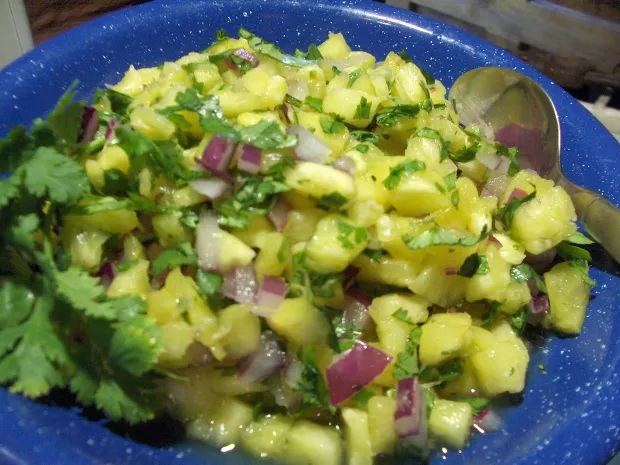
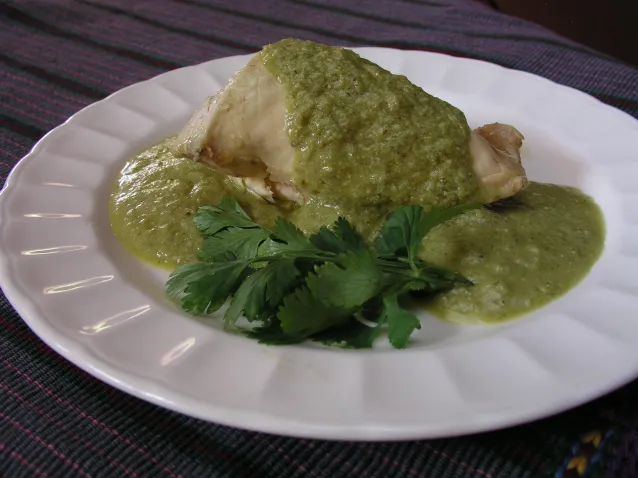
This salsa is excellent with eggs, grilled fish, chicken, pork and roasted vegetables. It can also cut through rich foods such as melted cheese or slow-cooked meat. In Australia, it makes a useful partner for breakfast dishes served on a weekend in Sydney, particularly when eggs, beans and toasted tortillas replace a heavier café-style meal.
Coriander can be a divisive ingredient in Australian kitchens because some people experience its flavour as soapy. Flat-leaf parsley is not an exact substitute, but it can provide a green note for guests who avoid coriander. The goal is still to preserve the contrast between a fresh herb, an acidic ingredient and chilli rather than forcing a single authentic formula on every cook.
Salsa cruda shows the value of restraint
Salsa cruda, often called pico de gallo in many English-language settings, is the simplest of the three bases. It usually combines diced tomato, onion, fresh chilli, coriander, lime juice and salt. The ingredients are not roasted or cooked into a sauce; they are cut, mixed and allowed to release their juices naturally.
Its strength comes from texture. A good salsa cruda gives a meal small pieces of tomato, crisp onion and bursts of chilli rather than a smooth, uniform coating. The knife work matters because pieces that are too large feel awkward with tortilla chips, while pieces that are too small quickly become watery. Firm tomatoes are particularly useful when the salsa needs to sit on a table for a while.
This style also demonstrates why balance matters more than a long ingredient list. Tomatoes provide sweetness and moisture, onion adds sharpness, lime supplies acidity, chilli contributes heat and salt connects the flavours. There are five common components, yet the finished effect can feel remarkably clean because each ingredient remains recognisable.
The number 3 can still guide the preparation: three handfuls of texture, three checks for balance and three minutes of resting time. After mixing, taste once for salt, once for acidity and once for heat. The resting period lets the onion soften slightly and gives the tomato juices time to form a light dressing.
For Australian hosts, salsa cruda is ideal for informal meals. It can sit beside tacos at a backyard gathering in Canberra, accompany grilled corn at a beachside picnic near Newcastle, or freshen a plate of barbecued meat during a hot Queensland evening. Use a cooler bag and sensible food-safety practices when transporting chopped tomato and dairy-based accompaniments, particularly in summer.
Turning the three bases into a practical kitchen system
The three salsa bases are best treated as a flexible system rather than strict recipes. Salsa roja is cooked and deep, salsa verde is bright and herbal, and salsa cruda is fresh and textured. Their differences help a cook choose a sauce according to the rest of the meal. Rich fillings benefit from acidity, delicate foods need restrained heat, and simple grilled ingredients can handle a more complex roasted salsa.
A useful home tasting involves preparing small batches with the same level of chilli. Compare them with plain corn chips or warm tortillas, then notice how the cooking method changes the ingredients. The roasted salsa should feel rounded, the green salsa should seem energetic, and the raw salsa should taste crisp. This exercise teaches more than simply following a recipe because it explains why each method exists.
Ingredient access in Australia is becoming easier, although availability still varies between suburbs. Large supermarkets commonly stock jalapeños, coriander, limes, avocados and various tortillas. Mexican grocers and farmers markets may offer tomatillos, dried chillies and masa harina. In Darwin or regional areas, cooks may need to use tinned tomatillos or order speciality ingredients online, while urban markets in Sydney and Melbourne can provide a wider selection.
Heat levels also need local adjustment. Some Australian diners enjoy strong chilli, while others prefer a mild salsa that lets grilled meat or vegetables remain central. Keeping the chilli separate and adding it gradually is more practical than making one extremely hot batch. This is particularly helpful when cooking for mixed-age families or sharing food at a workplace lunch.
Number symbolism can add a playful layer without dictating the meal. Someone following lottery statistics or personal horoscope traditions may notice recurring numbers and use 3 as a prompt to try three chillies, three textures or three serving styles. Such associations are best understood as a creative framework rather than a prediction about flavour or luck. A cooking resource such as the Mexican food blog can then provide further ideas for regional dishes, ingredients and methods.
The same framework can guide a simple menu. Serve salsa roja with slow-cooked beef, salsa verde with grilled chicken or fish, and salsa cruda with beans, tacos or roasted vegetables. Place them in separate bowls so guests can combine flavours at their own pace. This turns the meal into a small tasting experience and makes the relationship between colour, texture and heat easy to see.
Three also helps with preparation planning. Make the roasted salsa first because it can cool while other work continues. Prepare salsa verde next and keep it covered to preserve its colour. Chop salsa cruda shortly before serving so it stays fresh. The order saves time and gives each salsa the treatment it needs.
The number 3 becomes meaningful when it leads to better observation: three bases, three techniques and three distinct flavour experiences. Explore the symbolism, then put it into practice with tomatoes, tomatillos, chillies, herbs and lime. Visit a local market, choose ingredients that are fresh in your area, and prepare the three salsas for your next taco night or barbecue spread. Share the bowls, compare the flavours and let this simple trio become part of your own kitchen routine.
Prediction Log
- Kết quả xổ số Vĩnh Long24/01/2025
- Dự đoán kết quả xổ số Vĩnh Long31/01/2025
- Bảng thống kê Logan · Vĩnh Long25/01/2025
- Trial draw · Quay thửWeekly
Zodiac Lookup
- 9/3 cung gì? Khám phá Bí Mật Dưới Ánh SaoMarch 9
- Thông tin 14/12 cung gì?December 14
- Ngày 11/3 cung gì?March 11
- Thông tin 22/9 cung gì? Cung Xử NữSeptember 22
From the Editor's Desk
Vĩnh Long Lottery Desk
The site collects daily Vĩnh Long lottery prediction notes, recent-draw analysis, and the zodiac-sign lookups visitors search for most. The aim is a calm, browseable reference — not a forecast of any particular outcome.
Stay in the loop
Sign up for occasional Vĩnh Long draw recaps, fresh prediction notes, and new zodiac lookups — delivered in plain text.