Vĩnh Long Lottery · Western Astrology
A reader-friendly hub for Vĩnh Long lottery predictions, number statistics, and zodiac sign guides — refreshed with recent draw results and the calendar dates our visitors ask about most.
— — —
Vĩnh Long Lottery Hot and Cold Numbers With Regional Salsa Ideas
Lottery number statistics can be easier to explore when they are connected to something familiar. In this case, Vĩnh Long draw data meets the bold, fresh and smoky flavours of regional Mexican salsas. The pairing is a creative way to organise hot numbers, cold numbers, repeating pairs and recent results without treating a random draw as a guaranteed pattern.
For Australian readers, the subject sits between number curiosity and everyday food culture. A player checking results from a Melbourne newsagent, a family syndicate in Brisbane or a Saturday arvo gathering in Perth may enjoy looking at frequency charts while preparing salsa for tacos. The food adds a practical rhythm to the numbers, while the statistics provide a structured way to record observations.
What Hot And Cold Numbers Actually Mean
A hot number is one that has appeared relatively often during a selected run of Vĩnh Long lottery results. A cold number has appeared less frequently, or may have been absent for several draws. These labels are descriptive rather than predictive. They tell you what has happened in the recorded sample, not what must happen next.
The length of the sample matters. A number can appear hot across the latest ten draws but look average across six months. A cold number may be absent for a short period and then return several times. For this reason, useful analysis separates recent frequency from longer-term frequency instead of placing every observation into one permanent category.
A basic record can include the draw date, prize category, number position, repeated digits and the appearance of two-digit combinations. Readers interested in wider lottery commentary can browse the regional food notes alongside their number records, using the cooking material as a relaxed way to keep the habit consistent.
Building A Reliable Vĩnh Long Results Record
Start with an official or carefully maintained archive of recent Vĩnh Long draw results. Enter each result in the same format, keeping leading zeroes where they apply. Inconsistent formatting can make a pair such as 07 look different from 7, which can distort frequency counts and produce an inaccurate hot-and-cold list.
A simple spreadsheet can calculate the number of appearances, the last draw date, the gap since the previous appearance and the frequency of digit pairs. Separate the main prize groups if the source provides them. Combining every prize category into one count may create a large data set, but it can also hide differences between categories.
For an Australian audience, the comparison is similar to tracking Saturday Lotto numbers after a visit to a local newsagent. Many Australians are used to checking draw results through a lottery app, a retailer or a syndicate message thread, then discussing whether a number has been “showing up heaps” or has been missing for ages. That language is useful for conversation, but a spreadsheet still provides the cleaner record.
A good record should also show the sample size. “Number 24 appeared four times” has little meaning without knowing whether the calculation covers ten draws or one hundred. Include a small note beside each chart stating the period, draw type and number of results reviewed.
Pairing Number Patterns With Salsa Flavours
The salsa connection works as a memory system rather than a prediction tool. Assigning a flavour profile to a number group can make a long list of statistics easier to remember. For example, frequently appearing pairs may be associated with a bright tomato salsa, while less frequent combinations could be linked with a deeper roasted salsa.
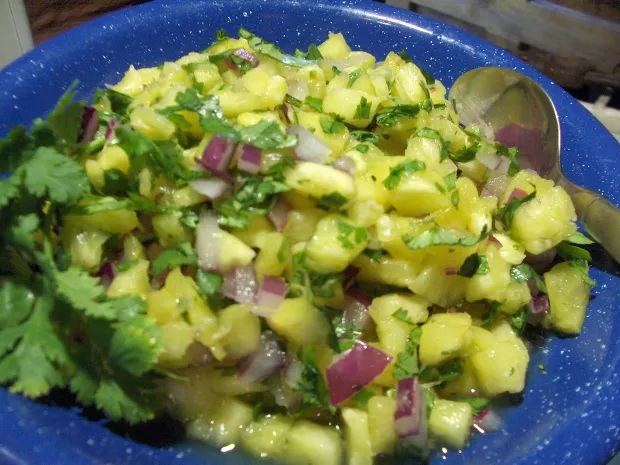
Fresh tomato salsa offers a useful symbol for recent activity. Its ingredients are chopped, visible and immediate: tomato, onion, coriander, lime and chilli. A recent-frequency list can be treated in the same way, with the newest draws placed at the front of the record. The result is lively and easy to review, but it should still be described as a snapshot.
Roasted salsa fits longer-term or less obvious patterns. Charred tomatoes, dried chillies, garlic and onion produce a darker flavour with more depth. This can represent numbers that have appeared intermittently across a wider period, including pairs that are not currently frequent but have a history of returning.
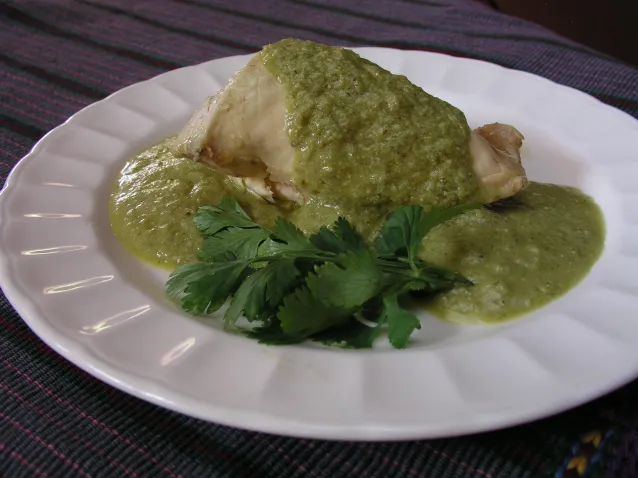
A milder green salsa may suit numbers that sit close to the average. These “steady” numbers are easy to overlook because they are neither dramatically hot nor unusually cold. Grouping them separately prevents the analysis from becoming a simple contest between the most frequent and least frequent entries.
Regional Mexican Salsas As A Sensory Index
Mexican salsa varies widely by region, ingredient and preparation method. Salsa verde often relies on tomatillos, green chilli, coriander and acidity, while a Yucatán-style approach may bring habanero and sour orange into the picture. A smoky salsa from central or northern traditions may lean on roasted ingredients, dried chilli and a deeper savoury character.
These differences can create a useful three-part note beside a number set: freshness, heat and smokiness. Freshness can represent recent appearances, heat can represent repeated pairs or strong short-term frequency, and smokiness can represent older trends that become visible only in a longer record. The sensory language gives readers another route into statistical information.
The method also makes room for Australian ingredients and shopping habits. Someone in Sydney might find fresh coriander and green chillies at a weekend market, while a cook in regional Queensland may rely on supermarket produce and bottled lime juice. A local version does not need to claim strict authenticity; it can simply respect the original flavour logic while using what is available.
This is especially useful for group discussions. An Australian syndicate might describe a pair as “the smoky one” or “that sharp green combination” while preparing dinner. The description is memorable, but it should never be mistaken for evidence that a particular number is due.
Reading Frequency Without Overclaiming
Hot-and-cold analysis becomes stronger when several measures are viewed together. Frequency counts show how often a number appeared, while recency shows how recently it appeared. Pair counts reveal combinations, and gap measurements show how long a number has been absent. Each measure answers a different question.
A common error is the gambler’s fallacy: assuming that a cold number has become more likely because it has been missing. Random draws do not owe a return to any number. The same caution applies to hot numbers. A run of appearances does not create a mathematical obligation for the sequence to continue.
| Signal | What It Describes | Salsa Association | Sensible Use |
|---|---|---|---|
| Hot number | Frequent appearances in a chosen sample | Fresh tomato salsa | Mark recent activity |
| Cold number | Few or no appearances in the sample | Roasted chilli salsa | Identify gaps without calling them overdue |
| Repeating pair | Two digits appearing together more than once | Bright lime and coriander | Compare combination frequency |
| Long-gap number | A number absent for a measured period | Smoky chipotle-style salsa | Track recency separately |
| Average number | Activity close to the sample mean | Mild green salsa | Avoid ignoring middle-range results |
| Digit trend | Frequency of individual digits | Mixed salsa bowl | Look for broad distribution patterns |
The table is best used as a description tool. It can help organise a Vĩnh Long lottery statistics page or a personal worksheet, but it cannot improve the underlying odds of a random draw. Anyone spending money should set a firm limit and treat the ticket as entertainment rather than an investment.
That point is relevant in Australia, where lottery entries are often bought casually with groceries, coffee or a visit to the local newsagent. Syndicates can make the social experience enjoyable, yet every member should know the cost, the number of shares and how any prize would be divided before contributing.
A Practical Routine For Australian Readers
A manageable routine takes less than half an hour after each result. Record the latest draw, update the frequency count, mark any repeated pair and calculate the gap since the previous appearance. Then classify the numbers as hot, cold, steady or unclear according to the chosen sample period.
Next, choose a salsa lens for the week. Fresh salsa can accompany a short-term chart, roasted salsa can accompany a longer historical review, and a green salsa can accompany average or balanced results. The cooking step gives the analysis a natural endpoint instead of encouraging endless checking of charts and prediction claims.
Astrology can be treated in the same light: as an entertaining storytelling layer rather than a statistical advantage. Readers who enjoy that style may find a guacamole astrology guide useful for combining Western star signs, food preparation and number selection without presenting the method as a scientific system.
Australian readers can also keep the routine local by matching it to their normal week. A person in Adelaide might review results while preparing dinner after work; someone in Darwin may prefer a digital spreadsheet because local retail access differs; a family in Melbourne could make the salsa part of a weekend meal. The setting changes, but the statistical rules remain the same.
Use the daily number chatter only as a source of conversation and public interest, not as proof that a prediction is reliable. Social posts often highlight striking streaks and omit ordinary results, creating a distorted impression of how common a pattern really is.
For responsible play, decide the entertainment budget in Australian dollars before buying an entry, avoid chasing losses and stop when the budget is used. A well-kept record can make draw watching more thoughtful, while the salsa pairing keeps the activity connected to food, family and regional flavour rather than pressure to win.
Try the method with a clearly defined set of Vĩnh Long results, a modest spending limit and one salsa style that suits your kitchen. Keep the numbers descriptive, keep the meal enjoyable and return to the record only as often as it remains a comfortable part of your routine.
Prediction Log
- Kết quả xổ số Vĩnh Long24/01/2025
- Dự đoán kết quả xổ số Vĩnh Long31/01/2025
- Bảng thống kê Logan · Vĩnh Long25/01/2025
- Trial draw · Quay thửWeekly
Zodiac Lookup
- 9/3 cung gì? Khám phá Bí Mật Dưới Ánh SaoMarch 9
- Thông tin 14/12 cung gì?December 14
- Ngày 11/3 cung gì?March 11
- Thông tin 22/9 cung gì? Cung Xử NữSeptember 22
From the Editor's Desk
Vĩnh Long Lottery Desk
The site collects daily Vĩnh Long lottery prediction notes, recent-draw analysis, and the zodiac-sign lookups visitors search for most. The aim is a calm, browseable reference — not a forecast of any particular outcome.
Stay in the loop
Sign up for occasional Vĩnh Long draw recaps, fresh prediction notes, and new zodiac lookups — delivered in plain text.