Vĩnh Long Lottery · Western Astrology
A reader-friendly hub for Vĩnh Long lottery predictions, number statistics, and zodiac sign guides — refreshed with recent draw results and the calendar dates our visitors ask about most.
— — —
Vĩnh Long Lottery Results for a Custom Mole Colour
Vĩnh Long lottery results can supply an unexpected starting point for a kitchen project. A confirmed draw, read from an official or reputable results source, becomes a sequence of colours rather than a forecast. The aim is culinary, not predictive: every draw is random, so no number pattern can improve lottery odds. Used this way, the winning numbers offer a memorable rule for choosing what goes into a sauce.
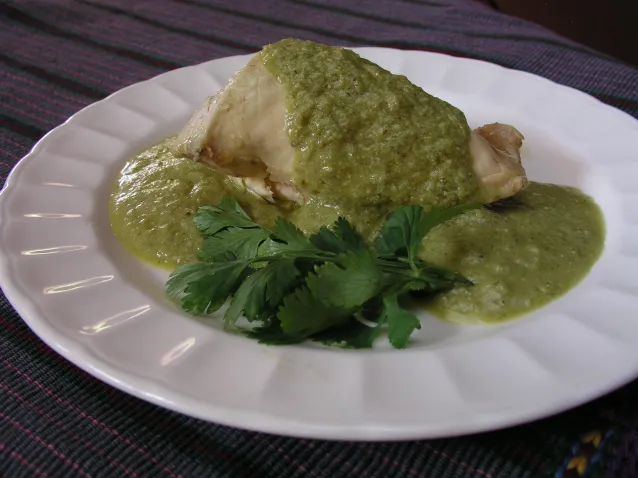
Mole is a particularly fitting destination because colour is already part of its story. Chiles, toasted seeds, cacao and tomatoes create shades from brick red to almost black, while herbs and other additions can shift the final hue. A custom mole colour turns a published result into an edible palette, with the digits deciding the direction and the cook deciding how subtle the effect should be.
The playful practice of choosing lottery numbers with a tortilla press, discussed in lottery number symbolism, lends a tactile ritual to the process, even though symbolism should never be mistaken for certainty. Pressing, stamping or writing digits can help the cook choose an order before translating that order into a balanced plate.
For Australian readers, the project works best with supermarket staples and one or two specialist ingredients. Coles and Woolworths make the base affordable, while markets in Melbourne’s Footscray and Sydney’s Haymarket provide dried chillies, masa harina, corn chips and Mexican chocolate. The result is less about chasing imported perfection than turning a regional draw into a practical dinner that suits local tables.
Reading a Vĩnh Long draw
Start with the confirmed Vĩnh Long result, including its draw date and prize labels. Vietnamese provincial lottery listings can show several number groups, so choose one clearly identified line rather than combining figures from different tiers. The special number is often the easiest six-digit anchor for a colour exercise; alternatively, use one five-digit prize result and keep the selection simple.
Copy the digits into a plain note and remove anything except the numbers themselves. Read left to right, assign the first digit the dominant colour, the second a supporting tone and the third an accent. If a digit repeats, give it extra weight; if several figures recur across the published draw, use the repeated one as the main note. Number statistics can help identify that repetition, but they describe past draws rather than future outcomes.
Record the source and date beside the note. Prediction pages, horoscopes and number statistics are entertaining context, but a result is not confirmed until it has been published through the relevant lottery channel. This distinction matters for a recipe label: a sauce can honestly be called Vĩnh Long draw-inspired even when its colour pairings are entirely the cook’s invention.
Designing a number-led colour palette
A useful palette needs rules that are clear enough to reproduce and loose enough to leave room for taste. Treat each digit as a cue, not a fixed symbolic meaning. Decide in advance whether the number leads to a colour, an ingredient or a final garnish. Giving each role one clear source prevents a six-digit draw from turning a mole into an unpredictable mixture of dyes, spices and dried flowers.
Three colours are usually enough for a plate: a dominant shade, a secondary shade and a small accent. Dark cocoa or red wine can provide depth, turmeric can warm a brown sauce, and a restrained green or magenta note can make it look designed. Keep chilli heat and salt separate from the colour system, because those adjustments are easier to control after the sauce is tasted.
The name helps preserve the connection. Write “Vĩnh Long Draw Moles” on the jar, then add the draw date and a three-word description such as “cocoa, hibiscus, gold”. Avoid presenting the palette as a traditional regional prescription. Mexican cooks have many well-established mole traditions, and this is a modern Australian interpretation built from a Vietnamese lottery result.
Turning colour into flavour
Suppose the selected number is 482719, purely as an example. Under the key below, 4 suggests cocoa brown, 8 suggests pomegranate magenta and 2 suggests saffron gold. The cook might prioritise the brown, add a measured splash of hibiscus and finish with a small amount of turmeric. A more dramatic version could use all six colours, but it would probably taste muddled rather than layered.
Choose the palette before shopping, then buy only what is missing. The key below compares each digit with a workable colour source and its likely flavour effect. For an authentic-leaning mole, use the first and second colours sparingly and let chilles, tomatoes, seeds and chocolate carry the character. Blue and vivid green are more playful departures and should be described as such.
| Draw digit | Colour direction | Practical source | Flavour contribution |
|---|---|---|---|
| 0 | Near-black plum | Reduced red wine and dark cacao | Tannic depth |
| 1 | Paprika red | Ancho chilli or smoked paprika | Warm chilli heat |
| 2 | Saffron gold | Turmeric or a pinch of saffron | Earthy aroma |
| 3 | Herb green | Parsley and green coriander | Fresh lift |
| 4 | Cocoa brown | Dark chocolate or cacao | Bittersweet body |
| 5 | Indigo blue | Blue corn tortilla crumbs or butterfly pea | Toasted earthiness |
| 6 | Roasted orange | Achiote | Peppery warmth |
| 7 | Leaf green | Epazote when available, otherwise parsley | Grassy notes |
| 8 | Pomegranate magenta | Hibiscus petals | Clean tartness |
| 9 | Garlic cream | Roasted garlic and onion | Sweet savoury base |
Digit 5 deserves special care. Blue corn tortilla or masa harina can give a naturally bluish note, although the effect fades during long cooking; butterfly-pea infusion is a vivid modern alternative but is not part of a traditional Mexican mole. Likewise, hibiscus should contribute tartness and hue rather than perfume. Add strong colour ingredients in small increments, tasting after every addition.
Adapting the method for Australian kitchens
Australian supermarkets now carry most of the neutral base: tinned plum tomatoes, plain dark chocolate, smoked paprika, cumin, dried oregano, raisins and corn chips. Buy the dried chillies and epazote from a specialist grocer if you want a deeper, more recognisable mole. Melbourne shoppers can explore the Mexican and Latin stores around Footscray, while Sydney cooks often find the broadest selection in Haymarket and Cabramatta.
Use grams and millilitres rather than cups, and adjust the oven for a fan. If a recipe calls for 180°C conventional heat, many Australian ovens need about 160°C fan-forced, or the usual 180°C setting if the fan is off. That small distinction prevents scorching the chillies and gives the sauce time to reduce without drying out.
Local taste still matters. Australians often prefer a mole that is rich but not as sweet or heavy as some restaurant versions, so begin with 60g chocolate and 150ml stock, then adjust. Aussie cooks often say “moh-lay” in conversation, while menus may simply call it “mole sauce”. For a parallel sense of place, the Manatí local resource in Puerto Rico reinforces the value of keeping regional identity intact while adapting to a new home.
Cooking the custom-coloured mole
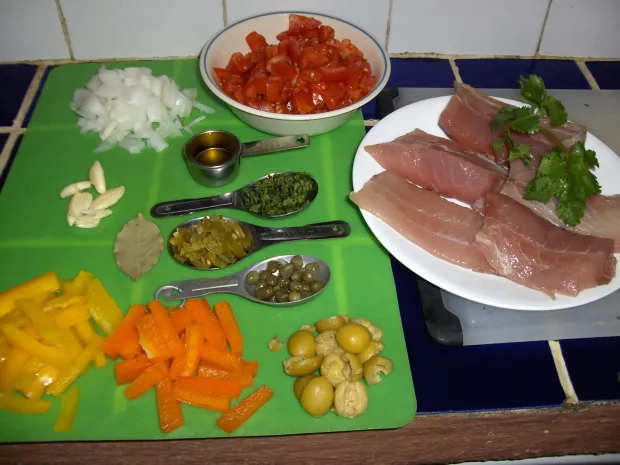
For four servings, soak two dried ancho chillies and one chipotle in warm water for 20 minutes. Toast 50g almonds, 30g sesame seeds and 30g pumpkin seeds, or pepitas, in a dry pan until fragrant, taking care because the small seeds catch quickly. Swirl in 1 tablespoon each of ground cumin and coriander for the final 20 seconds, then remove the pan from the heat. These ingredients build a substantial mole for serving with roast chicken, beef or a meatless mushroom filling.
Blend the soaked chillies with 400g tinned plum tomatoes, 1 onion, 4 garlic cloves, 1 tablespoon tomato paste and 800ml stock. Return the purée to a saucepan, add the toasted nuts and seeds, and simmer gently for 40 minutes. Stir through 60g finely chopped dark chocolate near the end, then add the primary colour source from your selected digits: roughly 1 tablespoon of a powdered ingredient or 30–60ml of an infusion. Blend again for a smoother sauce or leave it textured if you prefer the rustic style found in many Mexican kitchens.
Add the secondary colour only after tasting the sauce, then use the accent in the final minute so it stays bright. Thin with hot stock until the mole coats the back of a spoon; it should be substantial without being stiff. Serve over chicken, braised beef or roasted vegetables, with rice, warm corn tortillas and whichever fresh garnish best matches the chosen palette. Refrigerate leftovers for up to three days and reheat gently with a splash of stock.
A dependable workflow for memorable results
Most successful versions are restrained rather than technically difficult. Treat the draw as a design brief, keep a written record of substitutions, and make the mole a day ahead if possible. A rested sauce tastes more integrated, and the final colour is easier to judge before it meets the plated food. Many cooks also treat it as an arvo project: read the draw over coffee, toast the seeds, and leave the sauce simmering while the rest of dinner comes together.
- Verify the exact draw date and winning number before assigning colours.
- Choose one dominant digit and no more than two supporting colours.
- Toast each chilli and seed separately so none catches and burns.
- Add powdered colour sources by the teaspoon and liquid infusions by the tablespoon.
- Taste for chilli, salt and sweetness before adjusting the sauce.
- Label each jar with the draw date, number sequence and three colour words.
Keep one jar uncoloured as a control. It reveals whether the result comes from the mole itself or from a chosen accent, and it leaves room to serve people who prefer a familiar profile. The number-inspired version can then occupy the centre of the meal without forcing every guest to eat a novelty sauce.
Ready to make the next draw part of dinner? Verify a recent Vĩnh Long result, choose its dominant three digits and take the colour key to your nearest Mexican or mainstream grocer. The process takes less planning than a supermarket shop and produces a sauce with a story attached.
Make the mole, photograph it beside the winning number and share the palette with friends who enjoy cooking, lotteries and Mexican food. Keep the result record with your recipes, because every future draw can become another colour study and another memorable meal. Tonight, turn one verified draw into a custom-coloured mole and serve it with your favourite Australian dinner.
Prediction Log
- Kết quả xổ số Vĩnh Long24/01/2025
- Dự đoán kết quả xổ số Vĩnh Long31/01/2025
- Bảng thống kê Logan · Vĩnh Long25/01/2025
- Trial draw · Quay thửWeekly
Zodiac Lookup
- 9/3 cung gì? Khám phá Bí Mật Dưới Ánh SaoMarch 9
- Thông tin 14/12 cung gì?December 14
- Ngày 11/3 cung gì?March 11
- Thông tin 22/9 cung gì? Cung Xử NữSeptember 22
From the Editor's Desk
Vĩnh Long Lottery Desk
The site collects daily Vĩnh Long lottery prediction notes, recent-draw analysis, and the zodiac-sign lookups visitors search for most. The aim is a calm, browseable reference — not a forecast of any particular outcome.
Stay in the loop
Sign up for occasional Vĩnh Long draw recaps, fresh prediction notes, and new zodiac lookups — delivered in plain text.