Vĩnh Long Lottery · Western Astrology
A reader-friendly hub for Vĩnh Long lottery predictions, number statistics, and zodiac sign guides — refreshed with recent draw results and the calendar dates our visitors ask about most.
— — —
Vĩnh Long lottery statistics meet Mexican spice blends
Vĩnh Long lottery statistics are easy to browse but surprisingly easy to misread. The provincial draws publish a two-digit special number, and readers often rank recent results to identify the most drawn numbers over a week, month or year. This article adds a playful culinary layer: the leading number is matched with a Mexican spice blend, turning an abstract frequency chart into a guide for seasoning elote, beans, meat or roasted vegetables. The pairing is an editorial prompt, not a claim that a number can influence food or predict a future draw.
For Australian readers, “lotto” has a different starting point. It usually means the national Saturday and Sunday games sold through newsagencies, supermarkets and authorised lottery outlets. A Vĩnh Long result belongs to Vietnam’s provincial lottery system and is identified by a special number, so it should not be confused with Oz Lotto or Powerball. Australians nevertheless recognise the appetite for discussing hot, cold and lucky numbers; the vocabulary travels easily, even though the draw histories are entirely separate.
The connection works best as a sensory index. Broad number groups can suggest mild, smoky, earthy or fiery blends, while the exact two-digit result adds detail through its position in a ranked list. That turns passive result checking into an active cooking ritual without pretending that mathematics has become a flavour forecast. It also brings numerical content and Mexican culinary material together in a practical, good-humoured frame.
Reading the most-drawn Vĩnh Long numbers
A recent-results archive provides the raw material, but the period under review matters. A number appearing often in the latest twenty draws may lead a short weekly table, yet its advantage can disappear in a sample covering six months or a full year. The Vĩnh Long special number is a two-digit value, so results should be retained consistently from 00 through 99 rather than shortened by dropping a leading zero.
There are also different ways to define a “most drawn” number. One method counts complete two-digit results, which is useful for the cooking exercise because every number receives its own blend. Another counts individual digits, revealing whether zero, one, seven or another digit appears frequently among the tens and units positions. A third compares last-seen gaps, identifying numbers absent for the longest or shortest stretch. None of these methods changes the underlying odds of a random draw.
Hot and cold language is common around Australian lotto counters and social media, but it remains descriptive rather than predictive. A hot number has appeared frequently in a chosen historical window; a cold number has not. Calling one “due” confuses observation with probability. The safer approach is to use frequency as a prompt for exploration, especially when comparing different intervals or checking how stable the ranking remains over time.
Turning raw results into a fair snapshot
Begin by selecting a fixed window, such as the latest 52 draws or the previous calendar year. Record every special number, then calculate how often each appears. Ranking those totals shows the leaders, while the gap between first and second place shows whether the list has a clear focal point. Keeping the date range visible prevents a dramatic short-term movement from being mistaken for a lasting pattern.
Sample size deserves equal attention. A leader after twenty observations might simply reflect ordinary variation, while a leader across several hundred observations has a more stable descriptive record. Different windows can still produce different favourites, so checking 30, 100 and 365-day views is more informative than relying on a single ranking. A spreadsheet is enough for this task, provided that leading zeros, dates and calculation methods remain consistent.
The wider period can also be viewed alongside economic indicator datasets, allowing readers to compare changes in retail activity, consumer confidence or employment conditions with the environment surrounding their result checking. These contextual data do not explain individual draws, but they can provide a more thoughtful backdrop than claims that a number becomes “hot” simply because attention has increased.
Matching number groups to flavour families
A repeatable number-to-flavour exercise needs clear rules rather than an arbitrary association for every digit. Divide the two-digit results into five ranges, then assign each range a broad sensory character. The number group selects the central chile or seasoning family, its position among frequently drawn results determines the suggested intensity, and a recent rise or fall in its count can indicate whether the chosen finish should feel bright or deep.
The 00–19 range can represent an ancho-led blend with cumin, garlic and Mexican oregano. It is fragrant, earthy and gently warm. Results from 20–39 suit chipotle or a mild smoky chile, bringing deeper colour and restrained heat. The 40–59 group works with achiote, coriander seed and a little citrus, producing a rounded, savoury profile. A chile de árbol blend fits the 60–79 group, while 80–99 can point toward pasilla or smoked paprika for a darker, more intense finish.
These assignments are a playful editorial design, not a traditional Mexican naming system. Their value lies in consistency: once the framework is chosen, every result can be translated without changing the rules to suit the food. Heat can be adjusted through the quantity of chile rather than by inventing a different meaning for the number. Smoked paprika can also stand in for a harder-to-source smoked chile when pantry conditions are limited.
The cooking method completes the translation. Toast whole dried chiles briefly, bloom ground cumin in oil and add garlic before the seeds become bitter. Fresh lime, coriander and salt should arrive near the end so the aromatics stay lively. Blends can be kept dry for weekly use, but grinding them just before cooking captures more aroma, particularly with ancho, pasilla and achiote.
Cooking the comparison into Australian kitchens
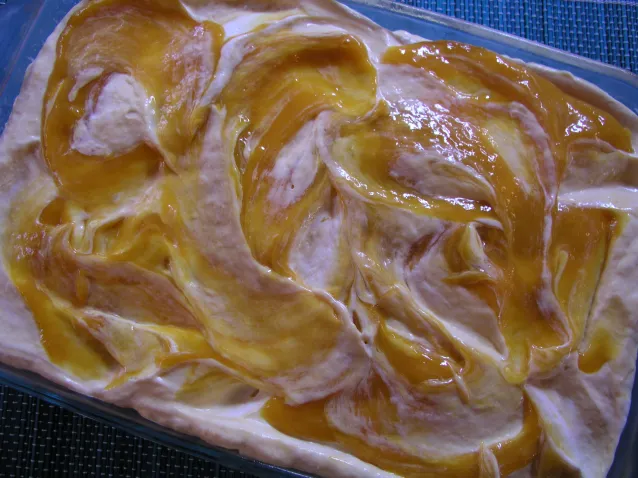
The best place to test a statistical pairing is somewhere food is already social. A barbecue in suburban Melbourne or Sydney can easily accommodate elote, alongside grilled capsicum, corn and seasoned meat. A related guide to lottery luck with elotes considers astrological transits while corn is grilled. It is best enjoyed as cultural play, separate from statistical evidence, but it demonstrates how a result ritual can become part of a shared meal.
Three compact blends cover mild, aromatic and fiery results without requiring a specialist pantry. Each can be mixed ahead and used on vegetables, beans, chicken or corn.
- Ancho smoke: Combine ground ancho chile, cumin, smoked paprika and a pinch of garlic for a warm, savoury seasoning with little direct heat.
- Achiote warmth: Blend achiote paste with coriander seed, oregano, lime zest and salt to create a colourful coating for chicken, pumpkin or potatoes.
- Tree-chile heat: Mix finely chopped chile de árbol with cumin, oregano and lime juice for a concentrated finish that works best in small amounts.
Australian supermarkets such as Coles and Woolworths commonly stock cumin, paprika, chilli powder and oregano, providing an easy base for these combinations. More distinctive dried chiles and Mexican oregano are more likely to come from specialist food shops or online Mexican-food suppliers serving Melbourne, Sydney, Brisbane and other growing culinary communities.
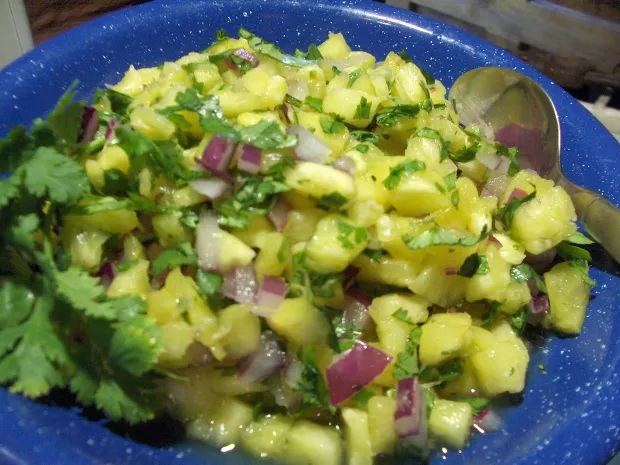
Fresh ingredients can fill the gaps without replacing the character of the selected blend. Coriander and limes are widely available, while red onion, radishes and corn suit the Australian barbecue season. Add sturdy vegetables early because they benefit from direct heat and smoke, then finish delicate herbs and acid after grilling.
Taste as you cook and adjust the serving rather than the statistics. If a number lands in a fiery group but the meal needs children or a long dinner, use less chile and add yoghurt, cheese or avocado. If a mild blend feels flat, sharpen it with lime or a fresh chilli rather than increasing the entire mix. The number selects the starting point; the cook retains control.
A practical numbers-and-flavour exercise
The matrix below keeps the two activities parallel without suggesting that one causes the other. Each row identifies a comparable element, the insight available from the numerical record and the decision that can be made in the kitchen. It works equally well for a quick personal exercise and for a more systematic monthly review.
| Element | Lottery-statistics view | Spice-blend view | Practical move |
|---|---|---|---|
| Basic unit | One two-digit special number | One ingredient or seasoning family | Compare like with like before pairing them |
| Leading result | Highest count in the chosen window | Anchor chile for the current meal | Cook the leading group first |
| Rising pattern | A gain across recent rolling windows | A brighter, fresher finish | Add lime, herbs or a small fresh chilli |
| Stable pattern | Little change in rank or frequency | A dependable house seasoning | Keep the proportions familiar |
| Evidence limit | Historical counts do not alter future odds | Sensory appeal varies by cook and diner | Treat both exercises as entertainment |
This structure prevents the frequency chart from overwhelming the cooking. It also gives the result some purpose beyond checking for a match. A single number becomes a menu decision, a comparison with other draws becomes a record of changing preferences, and the final dish provides feedback that no number can provide.
For a complete cycle, use one recent set of Vĩnh Long results, calculate the frequency ranking and identify the group containing the most drawn number. Match that group to its assigned blend, note how its rank changes over time, and adjust the seasoning through tasting. Run the exercise tonight with elote, roasted pumpkin or black beans, then record the winning number, the ingredients used and the result in your next recipe note.
Prediction Log
- Kết quả xổ số Vĩnh Long24/01/2025
- Dự đoán kết quả xổ số Vĩnh Long31/01/2025
- Bảng thống kê Logan · Vĩnh Long25/01/2025
- Trial draw · Quay thửWeekly
Zodiac Lookup
- 9/3 cung gì? Khám phá Bí Mật Dưới Ánh SaoMarch 9
- Thông tin 14/12 cung gì?December 14
- Ngày 11/3 cung gì?March 11
- Thông tin 22/9 cung gì? Cung Xử NữSeptember 22
From the Editor's Desk
Vĩnh Long Lottery Desk
The site collects daily Vĩnh Long lottery prediction notes, recent-draw analysis, and the zodiac-sign lookups visitors search for most. The aim is a calm, browseable reference — not a forecast of any particular outcome.
Stay in the loop
Sign up for occasional Vĩnh Long draw recaps, fresh prediction notes, and new zodiac lookups — delivered in plain text.