Vĩnh Long Lottery · Western Astrology
A reader-friendly hub for Vĩnh Long lottery predictions, number statistics, and zodiac sign guides — refreshed with recent draw results and the calendar dates our visitors ask about most.
— — —
Vĩnh Long Number Patterns Revealed Through a Traditional Tostada
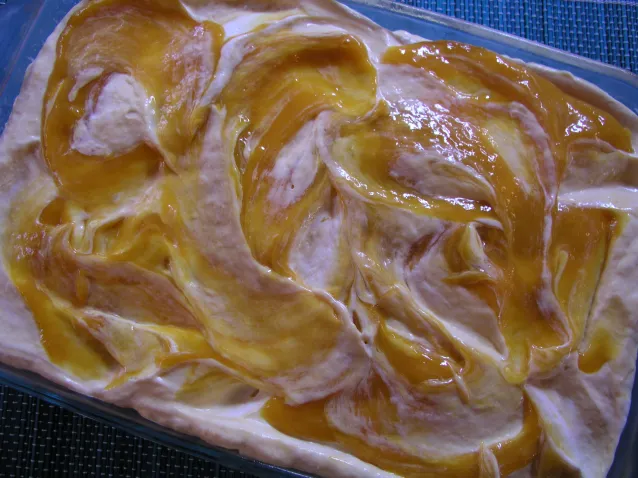
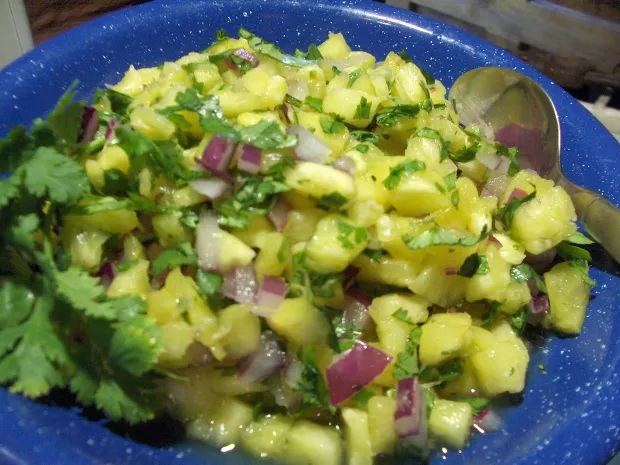
A traditional tostada is built in visible layers: a crisp corn base, beans, meat or seafood, fresh vegetables, salsa and a final squeeze of lime. Each layer contributes something different, yet the finished dish only makes sense when the ingredients are read together. Vĩnh Long lottery numbers can be explored in a similar way, by separating recent results into useful layers rather than treating a single digit as a guaranteed signal. Learn more about Windkante.org.
For Australian readers, this approach provides a clear way to examine Vietnamese lottery data without confusing patterns with certainty. Whether you are checking results in Melbourne, following a draw from Sydney, or discussing number statistics over a weekend barbecue in Brisbane, the most valuable habit is disciplined observation. A sequence may look meaningful, but a random draw does not owe anyone a repeat.
Reading A Vĩnh Long Draw Like A Layered Dish
Vĩnh Long is associated with the Mekong Delta, a region shaped by waterways, orchards, rice fields and busy local markets. Its lottery results are generally presented as a series of prize categories, from major prizes to smaller endings and special combinations. To study them, begin with the complete draw record, then separate the winning numbers into categories such as first digits, last digits, repeated pairs and odd-even balance.
The tostada metaphor helps because it discourages a quick jump to one attractive number. The base layer can represent the full result history. The bean layer might be the frequency of a digit over several draws, while the protein layer represents two-digit combinations that have appeared more than once. Salsa and lime can stand for recent changes, such as a digit that has returned after a short absence or a pair that has occurred in different prize levels.
Readers who want a broader view of current draw commentary can compare their own notes with the Vĩnh Long predictions available on the website. Prediction pages are best treated as an organised way to review statistics and published opinions, rather than as a promise of a winning outcome. In Australia, this distinction matters because lottery advertising and responsible gambling guidance place strong emphasis on chance and informed participation.
What Number Patterns Can Actually Show
A frequency count identifies how often each digit, pair or ending has appeared in a selected sample. For example, if the final digit 7 occurs five times across the last twenty draws, it may be described as active within that sample. That does not make 7 more likely in the next draw. Random processes can produce clusters, gaps and repetitions without creating a dependable forecasting rule.
A second useful measure is recency. A number may be frequent overall but absent from the last few results, while another may have appeared in consecutive draws. These labels are commonly called “cold” and “hot” numbers, although they describe past records only. A sensible reader should record the date range, the prize category and the number of draws included, because changing the sample can change the apparent pattern.
Digit position also deserves attention. The first digit of a two-digit ending can behave differently from the second, and a result such as 28 should not automatically be treated as equivalent to 82. Look for mirrored combinations, doubles, consecutive digits and repeated last-two endings. The aim is to identify structure in the archive, not to dress random variation up as a secret formula.
For someone used to Australian lottery products, this is similar to checking historical Powerball or Oz Lotto results. The old numbers are interesting, but the draw mechanism does not become predictable because a particular ball has been missing for several weeks. Vĩnh Long statistics can support careful record-keeping, while probability remains the boundary that no pattern can cross.
Building A Responsible Prediction Grid
A practical grid can contain four columns: the draw date, the prize category, the relevant number or ending, and an observation. The observation might say “last digit repeated,” “double appeared,” or “odd-even split was balanced.” Keeping the language neutral makes it easier to distinguish an actual observation from an emotional reaction to a number that feels lucky.
You can then create a small shortlist using different pattern families. One group might contain recurring last digits, another might contain reversed pairs, and a third might contain numbers selected without reference to recent results. Comparing these groups can reveal whether the supposed signal performs any better than a simple random choice over time. If it does not, the pattern may have been an appealing story rather than a useful indicator.
Visual presentation also matters. A simple colour-coded chart can show whether a digit is spread evenly across the sample or concentrated in only a few draws. Avoid overcrowding the chart with every possible statistic. Too many filters encourage selective reading, where a person notices the one feature supporting a preferred number and ignores the rest.
Australian audiences often use casual expressions such as “have a punt” or “try your luck,” but a spending limit should come before any selection. A fixed entertainment budget, no borrowing and no chasing losses are more reliable safeguards than any number system. In Victoria, New South Wales and other states, lottery participation is regulated through established operators, and age restrictions apply. The same responsible mindset should guide interest in overseas results.
Connecting Mekong Flavours With Australian Food Culture
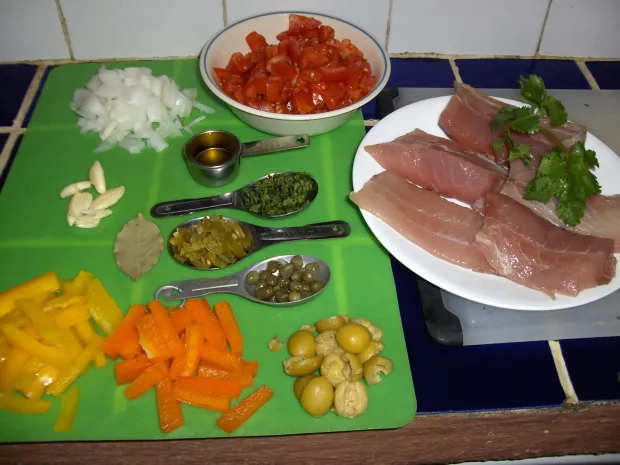
The culinary comparison becomes richer when the ingredients are considered in their original setting. A Mekong-style tostada-inspired plate might balance crisp texture with herbs, pickled vegetables, seafood or grilled meat, while lime, chilli and fish sauce provide contrast. It is not a traditional Vĩnh Long dish, but an imaginative bridge between Mexican cooking language and Vietnamese regional number research.
That bridge suits Australian food culture, where Vietnamese food is familiar in places such as Melbourne’s Richmond, Sydney’s Cabramatta and Adelaide’s central markets. Diners may move from a bánh mì shop to a Mexican taquería in the same neighbourhood, and home cooks often adapt recipes around ingredients available from Woolworths, Coles, Asian grocers or weekend farmers’ markets. The layered format makes an abstract statistics lesson easier to remember.
Texture can represent the difference between a stable observation and a fragile assumption. A crisp base is like a verified result record: it should hold everything else. Beans resemble repeated evidence, while fresh coriander or salsa represents a recent development that adds interest but should not dominate the whole dish. This is a useful way to explain why one striking draw should not outweigh a longer, carefully checked sequence.
For readers exploring the website’s wider editorial material, the Mexican cooking archive offers context on ingredients, preparation methods and regional food traditions. That material can sit alongside lottery content without pretending the two subjects use the same kind of evidence. Recipes depend on technique and taste; lottery outcomes depend on chance, even when the data is displayed in attractive patterns.
Comparing Pattern Signals With Practical Value
Some approaches are useful because they make records clearer. Others feel persuasive because they turn random events into a narrative. A good comparison should therefore consider evidence, limits and the amount of effort involved. The following guide separates common number-reading methods from what they can reasonably contribute.
| Pattern approach | What it examines | Useful purpose | Main limitation |
|---|---|---|---|
| Frequency count | How often digits or pairs appear | Summarises a selected history | Past frequency does not set future odds |
| Hot and cold numbers | Recent activity or absence | Highlights changes in the latest draws | Clusters and gaps can occur randomly |
| Reversed pairs | Forms such as 24 and 42 | Finds visual relationships in results | Similar appearance does not imply connection |
| Odd-even balance | Proportion of odd and even digits | Adds a simple descriptive measure | A balanced split is not more certain |
| Prize-level comparison | Placement across categories | Shows where repeats occur | Different categories may need separate analysis |
| Random control group | Numbers chosen without pattern rules | Tests whether a system adds value | A short trial may still be inconclusive |
A cautious reader can improve the quality of analysis by writing down predictions before the draw and reviewing them afterwards. This prevents hindsight from changing the story. If a method is said to identify strong last digits, record every selected digit, not only the ones that appear. That simple discipline reduces confirmation bias and creates a fairer test.
It is also wise to keep the scale modest. A spreadsheet covering twenty or thirty recent draws can be useful for learning, while a complicated model built from a small archive may create false confidence. Internet pages, social media posts and chat groups can amplify dramatic claims, especially when a number happens to match. Check the original result and avoid treating screenshots or confident commentary as proof.
If lottery play starts to feel urgent, secretive or financially uncomfortable, step back from the statistics. In Australia, support services such as Gambling Help Online provide confidential information, and state-based services can offer additional assistance. Numbers should remain a limited form of entertainment, never a plan for paying rent, groceries or bills.
Practical Habits For Clearer Number Analysis
The most useful routine combines accurate records, restrained interpretation and a food-inspired sense of balance. Treat each result as one layer in a larger plate, and avoid allowing the most colourful ingredient to cover the evidence underneath. These habits can help readers examine Vĩnh Long data while keeping expectations realistic:
- Record the complete draw date and prize category before looking for patterns.
- Separate single digits, two-digit endings, mirrored pairs and repeated sequences.
- Compare a pattern-based shortlist with numbers selected independently at random.
- Use a fixed entertainment budget and never increase it after a loss.
- Review predictions after each draw, including misses and near-misses.
- Check published results against a reliable source before sharing them.
- Pause lottery activity if it affects sleep, relationships or essential spending.
For Australian readers, timing can be a practical issue. Vietnam and Australia do not share one fixed time difference throughout the year because Australian daylight saving changes the clock in several states, while Queensland, the Northern Territory and Western Australia follow different arrangements. Check the published local draw time rather than relying on a remembered schedule, particularly when following results from Perth or during summer in Sydney and Melbourne.
The best interpretation remains modest: patterns can organise information, reveal repetition and make a results archive easier to study. They cannot guarantee a winning number. Like a well-made tostada, a useful analysis depends on proportion. Too little data produces a brittle base; too many speculative ingredients bury the original flavour.
Use the Vĩnh Long results and number statistics as a record of what has happened, then make any participation deliberate, limited and lawful. For readers interested in the wider mix of lottery information, horoscopes and Mexican culinary culture, browsing the site with that balanced perspective can turn a quick number search into a more thoughtful exploration.
Prediction Log
- Kết quả xổ số Vĩnh Long24/01/2025
- Dự đoán kết quả xổ số Vĩnh Long31/01/2025
- Bảng thống kê Logan · Vĩnh Long25/01/2025
- Trial draw · Quay thửWeekly
Zodiac Lookup
- 9/3 cung gì? Khám phá Bí Mật Dưới Ánh SaoMarch 9
- Thông tin 14/12 cung gì?December 14
- Ngày 11/3 cung gì?March 11
- Thông tin 22/9 cung gì? Cung Xử NữSeptember 22
From the Editor's Desk
Vĩnh Long Lottery Desk
The site collects daily Vĩnh Long lottery prediction notes, recent-draw analysis, and the zodiac-sign lookups visitors search for most. The aim is a calm, browseable reference — not a forecast of any particular outcome.
Stay in the loop
Sign up for occasional Vĩnh Long draw recaps, fresh prediction notes, and new zodiac lookups — delivered in plain text.