Vĩnh Long Lottery · Western Astrology
A reader-friendly hub for Vĩnh Long lottery predictions, number statistics, and zodiac sign guides — refreshed with recent draw results and the calendar dates our visitors ask about most.
— — —
Number eight and the eight essential Mexican sauces
Number eight carries a strong charge of good fortune. Its clearest association is Chinese: eight, or ba, sounds like a word linked with prosperity, while the written figure can suggest balance and abundance. Mexican history includes long-standing Chinese communities, especially in the north, so lucky-number stories circulate through families, lotteries and horoscope columns alongside local ideas about fate, celebration and generous hospitality.
Cooking turns that abstract luck into something guests can taste. The connection between the number 8 and the eight essential Mexican sauces works as a tasting structure: eight distinct condiments, each carrying a regional story, ingredient tradition and cooking method. The number provides an organising rhythm rather than proof of a formal Mexican canon.
None of the sauces below is dispensable, and none should be judged as a single definitive version. The set spans fresh, cooked, smoky and deeply savoury preparations, giving home cooks in Australia a practical route from supermarket jars to fresh chillies, dried varieties and slow-built moles without requiring specialist equipment.
| Sauce | Signature character | Core ingredients | Strong pairing |
|---|---|---|---|
| Salsa roja | Warm, bright and versatile | Tomato or dried red chile, onion and garlic | Tacos, grilled meats and quesadillas |
| Salsa verde | Tangy, herbaceous and fresh | Tomatillo, green chile, garlic and coriander | Tacos, beans and roast pumpkin |
| Salsa de árbol | Concentrated smoke with moderate heat | Dried árbol chiles, tomato and garlic | Grilled chicken, steak and charred corn |
| Salsa macha | Rich, coarse and spice-led | Dried red chiles, seeds, garlic, spices and lard or oil | Beans, grilled meats and warm tortillas |
| Mole poblano | Nutty, spiced and gently sweet | Ancho chile, tomato, nuts or seeds, chocolate and spices | Chicken, turkey and enchiladas |
| Mole negro | Dark, smoky and intensely aromatic | Chilhuacle negro, charred seeds and aromatic spices | Braised beef, turkey and rice |
| Pipián rojo | Rounded, mild chile-tomato warmth | Achiote, tomato, mild chile and pepita | Pork, chicken and tortillas |
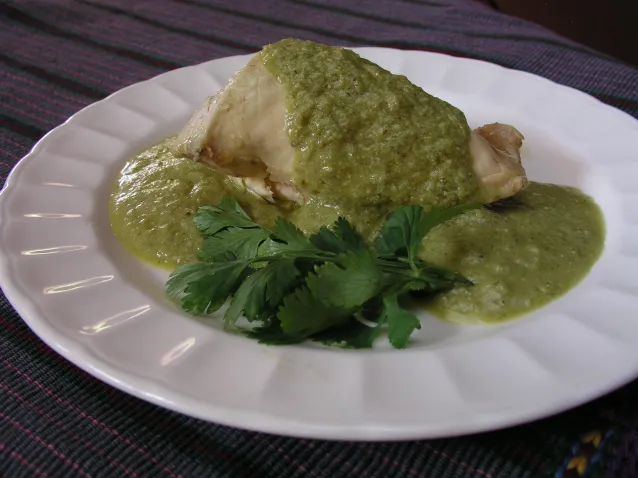
| Pipián verde | Silky, bright and herb-rich | Pepita, tomatillo, green chile and coriander | Fish, pumpkin and grilled vegetables |
Why the number eight feels auspicious
Eight's best-known symbolism comes from Chinese-speaking cultures, where its sound and form have long been associated with prosperity, completeness and continuity. Those associations reached Mexico through migration and commerce rather than replacing local beliefs. They added another layer to a country already rich in numerical folklore, religious symbolism and regional ideas about luck.
In Mexican lottery and horoscope publishing, 8 is therefore often framed as an encouraging digit. That framing belongs to a modern, mixed cultural context, not an unbroken ancient tradition. It is best approached as a cheerful story people tell around food, just as diners explain why a chile, herb or shared plate carries emotional meaning.
The same pattern appears around games of chance: a familiar sequence can feel meaningful even when the result remains random. A parallel appears in casino culture, where descriptions of the live dealer role show how ceremony can hold attention and make number patterns seem charged with significance. For a meal, the ritual matters more than any supposed numerical advantage: eight sauces create eight invitations to taste and compare.
The eight sauces and their regional identities
Mexico has many more than eight important sauces, and no single culinary authority issues a definitive national list. A regional primer such as five regional Mexican salsas offers a useful starting point, but this wider lineup deliberately includes both everyday salsas and ceremonial, pot-bound moles and pipiánes. It is an eight-stop tour, not a ranking.
The first four are bright or punchy: salsa roja, salsa verde, salsa de árbol and salsa macha. Red salsa may be cooked with tomato or built from dried red chiles; green salsa relies on tomatillo and fresh green chillies; árbol is slender, smoky and relatively concentrated; macha is an Oaxacan preparation in which toasted chiles are pounded with aromatic seeds and traditionally some lard, although oil produces a lighter version. Their textures range from watery and herbaceous to coarse and paste-like.
The final four add greater depth. Mole poblano combines dried chiles, nuts or seeds, bread, spices and a little chocolate, while mole negro is darker, smokier and more herbaceous. Pipián rojo uses achiote, tomato, mild chile and pepita; pipián verde uses pumpkin seeds, tomatillo and fresh herbs. Two moles and two pipiánes let a tasting move from familiar salsa into the layered, slow-cooked traditions of central and southern Mexico.
Building heat, smoke and herbal balance
Chiles are the engine of most of these sauces, but their aroma changes dramatically with heat. Toast dried varieties briefly in a dry pan, watching for a deeper colour and a nutty smell, then soak them in warm water until pliable. Blend with restraint: the liquid and fat should carry flavour without washing out the chile's identity.
Fresh green preparations need a different approach. Tomatillos must be softened or roasted, and their sticky skins removed before blending with serrano or jalapeño, garlic and coriander. Add the liquid gradually, taste for salt and keep the coriander stems if you prefer a more herbal result. Small amounts of lime can sharpen green salsa, but they should not disguise the tomatillo.
The richer sauces reward patience. Mole ingredients are toasted separately, ground or processed in batches, simmered with stock, and strained for a glossy, clingable finish; pasta or tortilla pieces can thicken the sauce naturally. For salsa macha, pound while warm so the fat emulsifies the chile and spices. Serve the eight from green and red through smoky to rich, so heavier flavours do not mute the fresh ones.
Shopping for the ingredients in Australia
Australian cooks can begin with what local markets and grocers offer. Melbourne's Queen Victoria Market is a practical place to inspect fresh chillies and coriander, while Adelaide's Central Market offers another strong option for herbs and regional produce. In Sydney, shoppers can pair the Carriageworks Saturday market with independent grocers in inner-city neighbourhoods, where Mexican chillies, masa harina and canned chillies are easier to find.
Most Australian supermarkets stock a dependable jar of mild red or green salsa, but the flavour is often thinner and less smoky than a handmade version. Build depth with fresh coriander, limes, red onions and locally grown chillies; buy ancho, pasilla, chilhuacle or achiote paste from specialist importers. Australian recipes benefit from metric weights and volumes, making conversion straightforward when following Mexican stove-top methods.
Fresh tomatillo can be difficult to find outside Mexican or Latin grocers. If it is unavailable, use a good-quality jar of salsa verde and finish it with roasted green chile for body rather than replacing it with ordinary canned tomato. At the bring-your-own gatherings common in Australian parks and community halls, each family can bring one sauce and a platter, turning the tasting into a shared contribution rather than a formal dinner.
Eight, folklore and shared Australian tables
Mexican food and number folklore often meet in stories about everyday herbs. What Australian cooks call coriander is known as cilantro in North America, and its disputed reputation as a luck-bringer is explored through lucky cilantro traditions. The story is best enjoyed as cultural interpretation rather than botanical fact, but it creates an inviting link between a common garnish, household observation and the pleasure of repeating a favourite number.
At an Australian shared meal, eight small bowls can be placed around the dining area instead of scattered along a buffet line. Corn chips, warm tortillas, lime wedges and pickled onions let guests build their own combinations, much as they might assemble a plate at a Mexican family gathering. The arrangement also makes comparison easier: each guest can taste a little of every sauce before deciding which one belongs on their taco.
Hosts can make the numerology part of the hospitality without turning it into a prediction ritual. Number the bowls informally, tell the regional story behind each one and invite guests to vote for the best match with a dish. The eight become more than a collection of condiments; they give guests a reason to compare, share opinions and discover how differently Australian households approach Mexican flavours.
A practical eight-sauce tasting plan
Treat the tasting as a sequence of contrasts. Make the freshest salsa first, protect its herbs and acidity, then move towards cooked and mole-based sauces. Because the dishes differ sharply, small portions are more useful than large bowls. The eight sauces can accompany one set of simple supports: warm corn tortillas, black beans, roast pumpkin and grilled fish or mushrooms.
Before guests arrive, toast and soak dried chiles in separate bowls, roast the tomatillos, and make the moles a day ahead if time allows. Keep a splash of the chile-soaking liquid for the salsas, but add it cautiously to mole. Arrange the finished sauces from green to red to smoky to rich, label each with its main ingredients, and provide spoons that are easy to distinguish by size or colour.
- Start with salsa verde to provide a cool, acidic contrast and showcase tomatillo, coriander and green chile.
- Follow with salsa roja for rounded tomato warmth, whether the recipe uses fresh tomato or dried red chile.
- Add salsa de árbol in a small quantity so its concentrated smoke and moderate heat do not overwhelm lighter dishes.
- Include salsa macha as the rich, spice-led option; serve it with grilled meat, beans or warm tortillas.
- Reserve mole poblano and mole negro for the main plates, allowing their nuts, chocolate, herbs and slow-built depth to register.
- Finish with both pipiánes, using the red version for rounded chile-tomato warmth and the green one for pepita, herb and tomatillo brightness.
Make the eight-sauce tasting your next shared meal in Australia: choose a date, invite friends or family, and ask each person to bring one regional sauce or a favourite pairing. Photograph the numbered bowls, record which one people reach for twice, and carry the story into your next Mexican dinner. The lucky-number idea may be playful, but the invitation to slow down, share and taste is entirely genuine.
Prediction Log
- Kết quả xổ số Vĩnh Long24/01/2025
- Dự đoán kết quả xổ số Vĩnh Long31/01/2025
- Bảng thống kê Logan · Vĩnh Long25/01/2025
- Trial draw · Quay thửWeekly
Zodiac Lookup
- 9/3 cung gì? Khám phá Bí Mật Dưới Ánh SaoMarch 9
- Thông tin 14/12 cung gì?December 14
- Ngày 11/3 cung gì?March 11
- Thông tin 22/9 cung gì? Cung Xử NữSeptember 22
From the Editor's Desk
Vĩnh Long Lottery Desk
The site collects daily Vĩnh Long lottery prediction notes, recent-draw analysis, and the zodiac-sign lookups visitors search for most. The aim is a calm, browseable reference — not a forecast of any particular outcome.
Stay in the loop
Sign up for occasional Vĩnh Long draw recaps, fresh prediction notes, and new zodiac lookups — delivered in plain text.